Decisions, decisions

Decisions, decisions

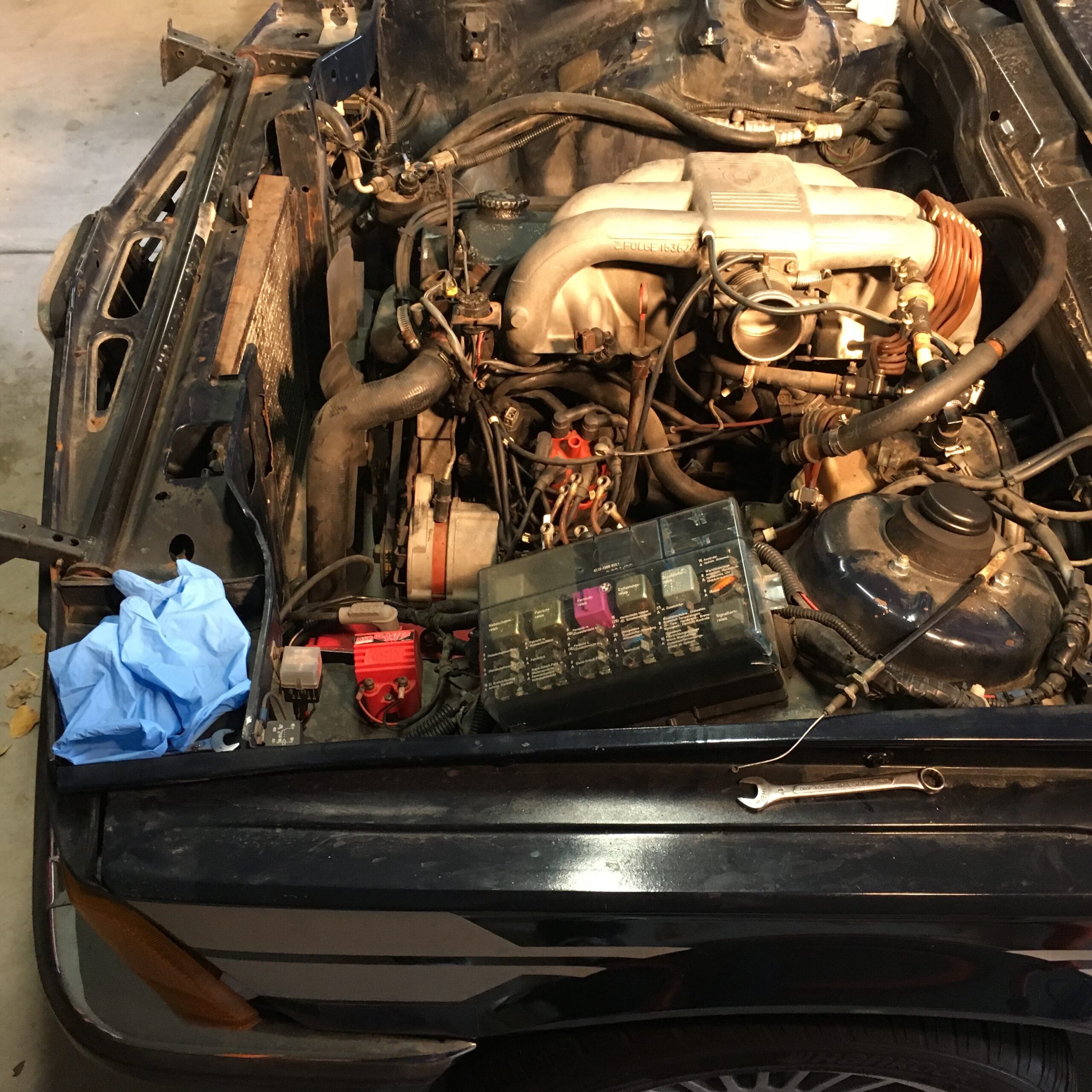
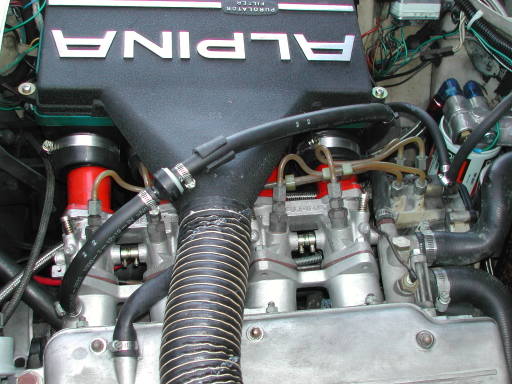
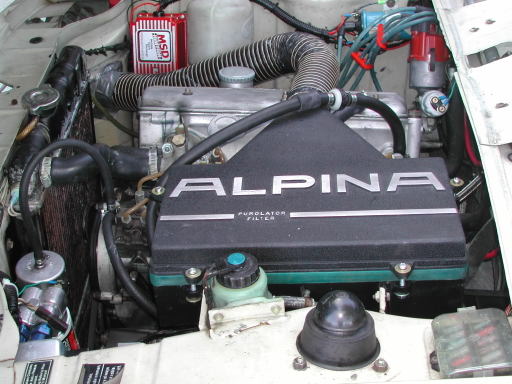
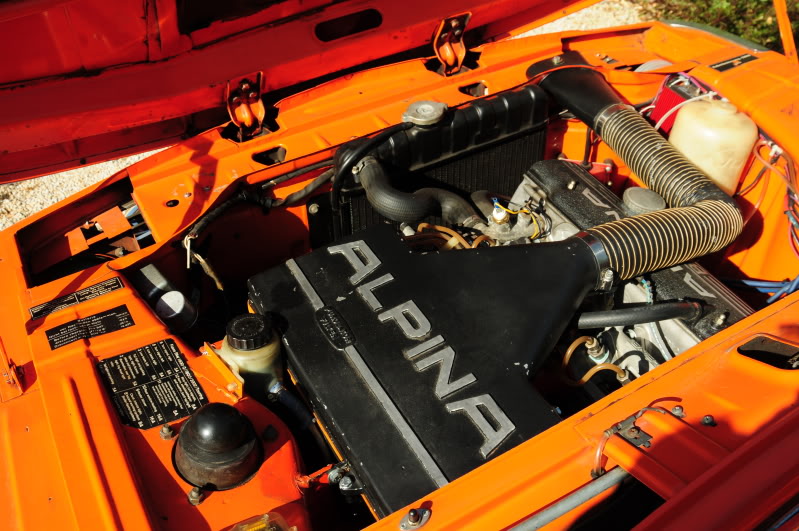
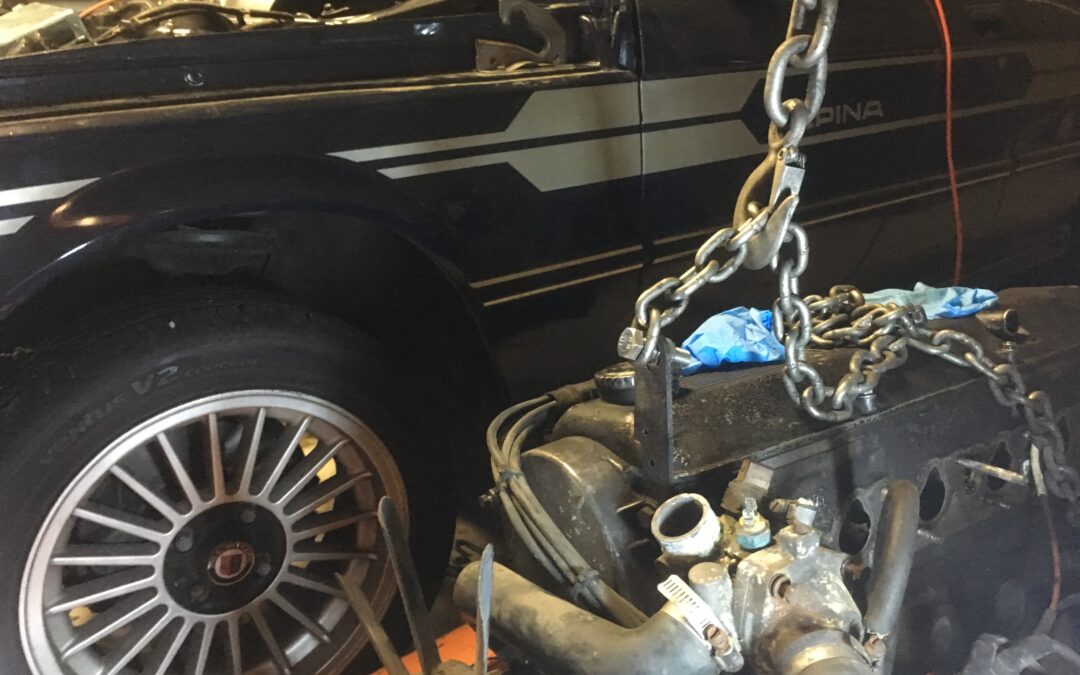
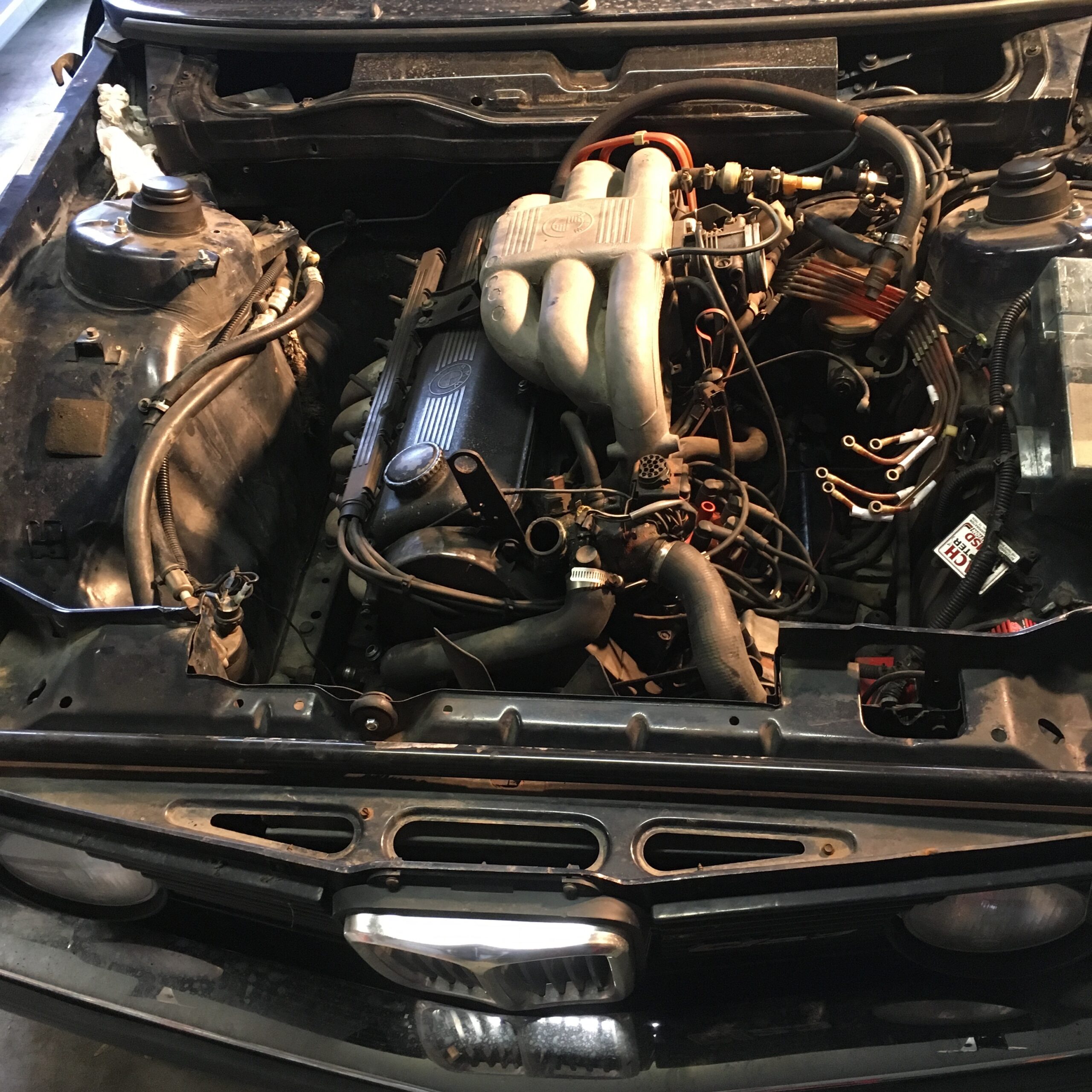
So, I have an authentic Alpina engine, complete with the stamped-in numbers on both head and block. That engine probably has a blown head gasket and maybe a cracked head or some cylinder and piston damage. Of course, I won’t know for sure the extent of any damage until I open it up, but all signs point to the head gasket, as the car was running decently, didn’t smoke, and from what I’ve been told didn’t have oil consumption issues. I could have left the motor in situ and fixed the head gasket, if that turned out to be the problem. But there was a slippery slope to go down and you know I couldn’t resist it: I had to pull the engine; after all the engine compartment was a mess, I wanted to bring the battery back into the engine compartment (it had been moved to the trunk somewhere between Germany and my tutelage). True, it’s not necessary to pull the engine to do those things, but having it out of there made it easier. Plus, the motor needed work and that’s easier out of the body. And the shell can be repainted while the engine compartment is being cleaned-up. Oh, that slippery slope.

Then there’s the biggest reason I couldn’t just leave well-enough alone: Me being me, I want to rebuilt the engine even if it’s just the head gasket – but the real question was to what spec?
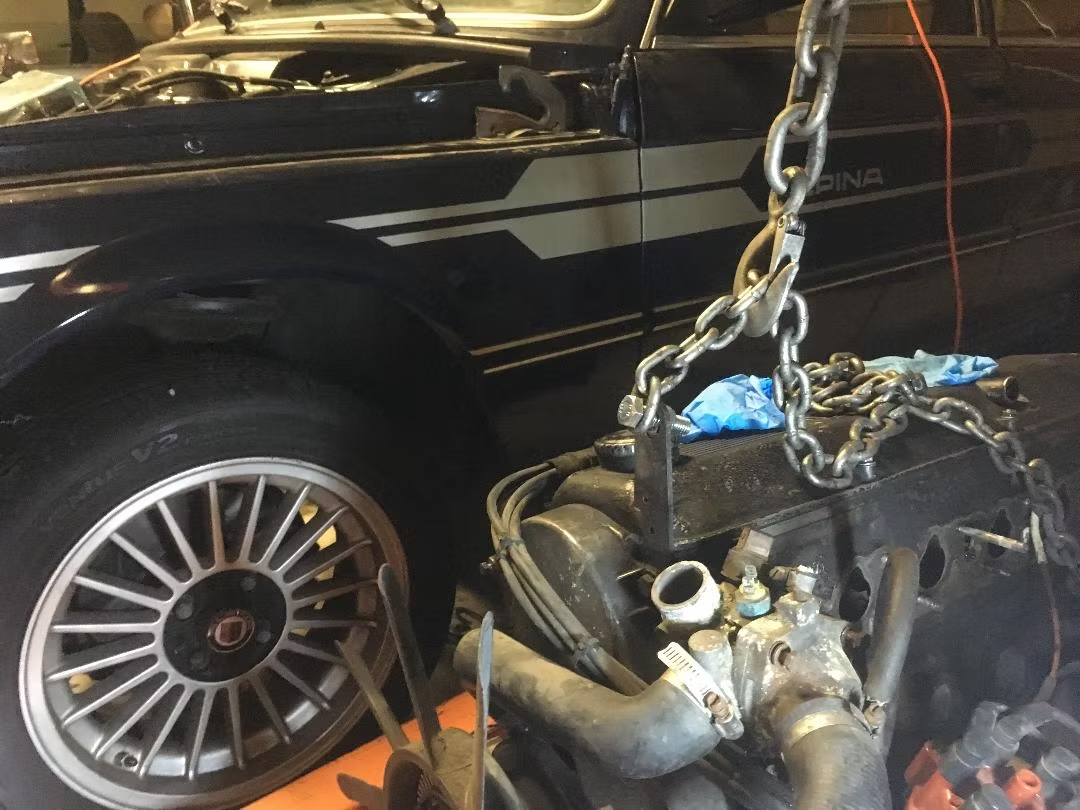
Not a big duh, but the whole point of owning an authentic Alpina is to own, well, an authentic Alpina. So, my plan was to rebuild the Alpina motor to stock specs with as many parts that Alpina used. I mean, a resto-mod of a genuine Alpina is kinda pointless.

Or is it? What if I could build a motor that looks like the Alpina motor that has considerably more power and squirrel the real Alpina motor away for the day that having it stock mattered (whenever that day was). Isn’t this the best of both worlds? The car looks stock, runs a lot stronger and if you ever feel the need to go back to stock, you have the actual Alpina motor. And aren’t I a resto-modder? Haven’t I spent my entire adult life restoring BMWs and improving on their performance?

With that goal in mind, I tried to figure out what you can squeeze more power – torque, specifically, out a motor while retaining the stock Alpina look. It seems Alpina used the stock 323i K-Jet, so first I wondered what I could out of that injection system? K-Jet is a weird system, bridging the gap between purely mechanical fuel injection like came on a 2002tii (and an early 911s) and Motronics, the fully electronic, simple to modify fuel injection. The stock 323i put out 140bhp with the K-Jet and the C1 2.3 got that up to 180bhp with some machine work and a little more cam and compression. (Alpina substituted the stock 264 cam in a 323i with a 268 cam. Stock compression of 9.5:1 was increased to 10.0:1. Both of these seemed somewhat tepid to increases to me.) So Alpina was able to add an addition 40bhp while using an antiquated and somewhat inflexible fuel injection system. To get much more power you ran into the challenge of delivering enough air and fuel through the stock K-Jet.

Trying to figure out if I could reach my goal using the stock injection, I posted on a few boards and got some encouraging responses, but few specifics. Given the vague responses, I was suspect of the claims to have developed 200bhp with stock K-Jet (that was, after all, almost a 50% increase over factory without changing the injection), especially since some were saying things like “I run nitrous and get ….” Or “with a water injection….” I mean, I was trying to have it look stock and neither nitrous or water injection are stock. I figured this was the challenge I faced trying to work within the limits of the K-Jet and it being a gray-market 323i in the USA – the rarity of the car made it so there were few who developed motors with inferior injection too far past stock. I spoke to a friend who owns a shop and he suggested I build it stock because getting enough air through the stock parts was going to limit whatever I did. He made the very valid point that “you already have a really fast Porsche and you’re not going to be able to build this to perform better – and that’s not the point of the car. Being an Alpina is. Leave well-enough alone and enjoy it for what it is.” Of course, he was right.

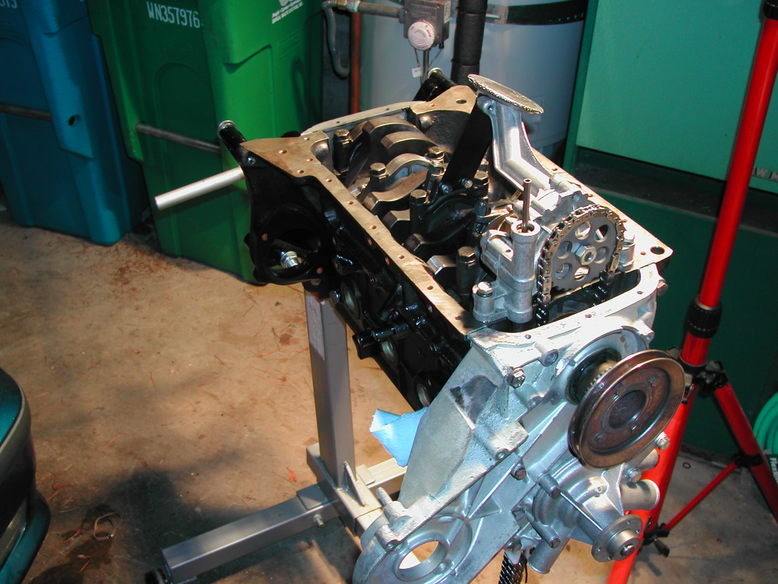
But then I got an email from another C1 2.3 owner who saw one of my posts asking about building a performance motor with stock parts. He built a 2.8 liter motor but not with stock parts – but they were stock looking. He took a M20B25 block (from an e30 325i) and head and Porsche K-Jet parts that would flow the necessary air and fuel for the bigger motor and put his stock motor aside to save it for the day that having it stock mattered (whenever that day was). A couple of emails back-and-forth and I had enough specifics to make my decision and dive in to the next step of the project, building the motor. After all, if he did it, what could possibly go wrong with me trying to do the same? Well, we’re about to find out!
Hands of God

Hands of God

Although the car was authenticated by Alpina, I assumed the worst – that the engine was not an actual Alpina lump. Yeah, the shell was touched by the Hands of God, but the previous owner who piped-up on BaT said an unethical mechanic pilfered many of the precious parts. I feared the motor suffered that fate.

When the car was finally in my hands, I looked for the four-digit hand-stamped numbers in the block and head. I found nothing, not knowing where to look. My fear of the worst grew, but I knew I’d be able to really inspect it once I pulled it out of the body, and I’d figure it out from the serial number on the block.

Every project – at least every project I’ve done – has a pace, a rhythm; it’s own timing. But taking the engine out stalled. Removing a 2002 motor is easy, especially on a carbureted car. A 323i is a bit more complicated and, frankly, I was intimidated as I couldn’t find an English-language manual. The physically bigger motor, the unfamiliar Bosch K-Jet fuel injection, the lack of instruction on how to go about removing it, and my old-man status making me reluctant to lie on the garage floor under a car – it all added up to a lot of inertia. Motivation was also lacking because I couldn’t decide what I wanted to do with the motor: rebuild it stock or take advantage of advances made since Alpina built it in 1982.

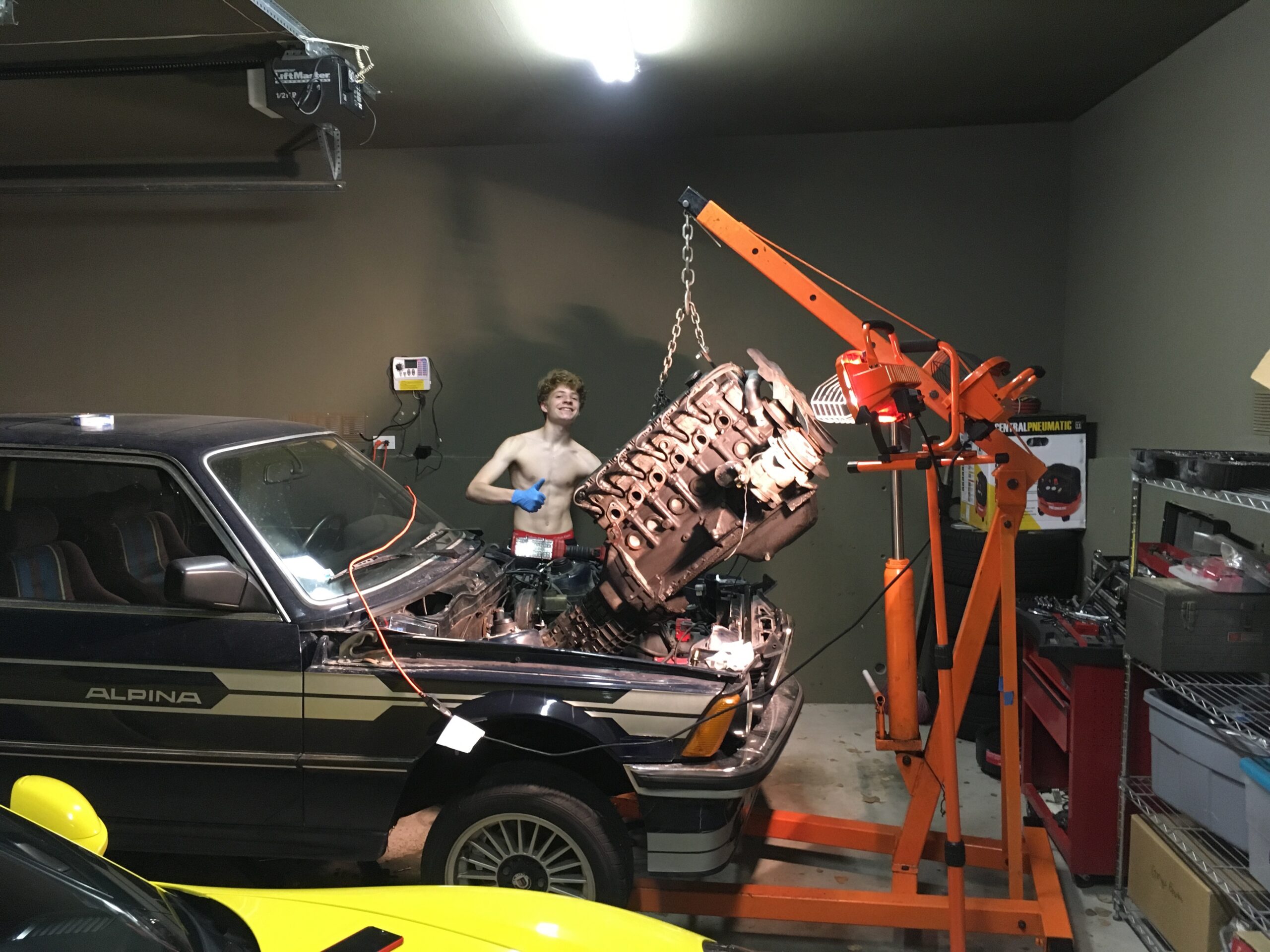
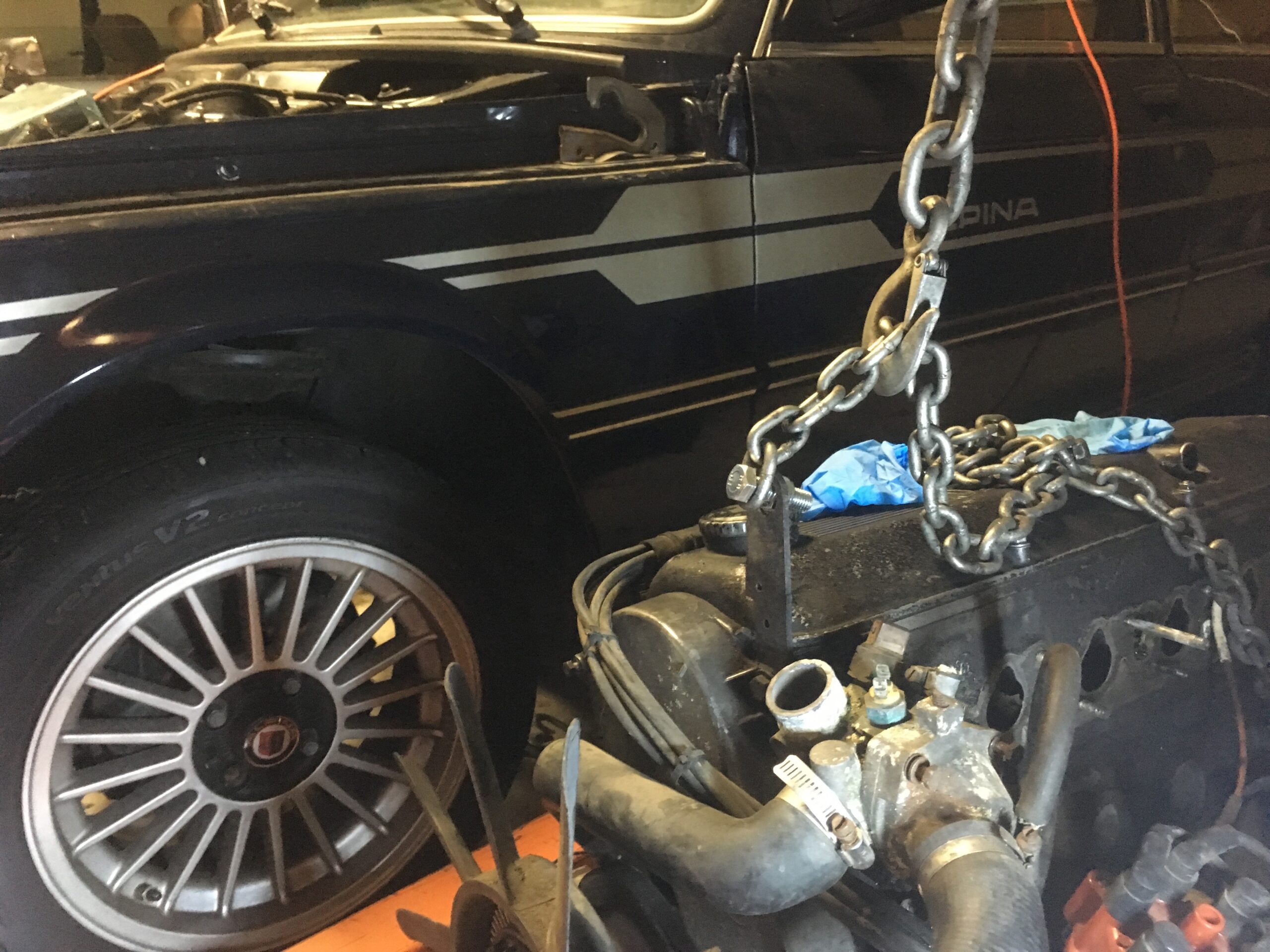
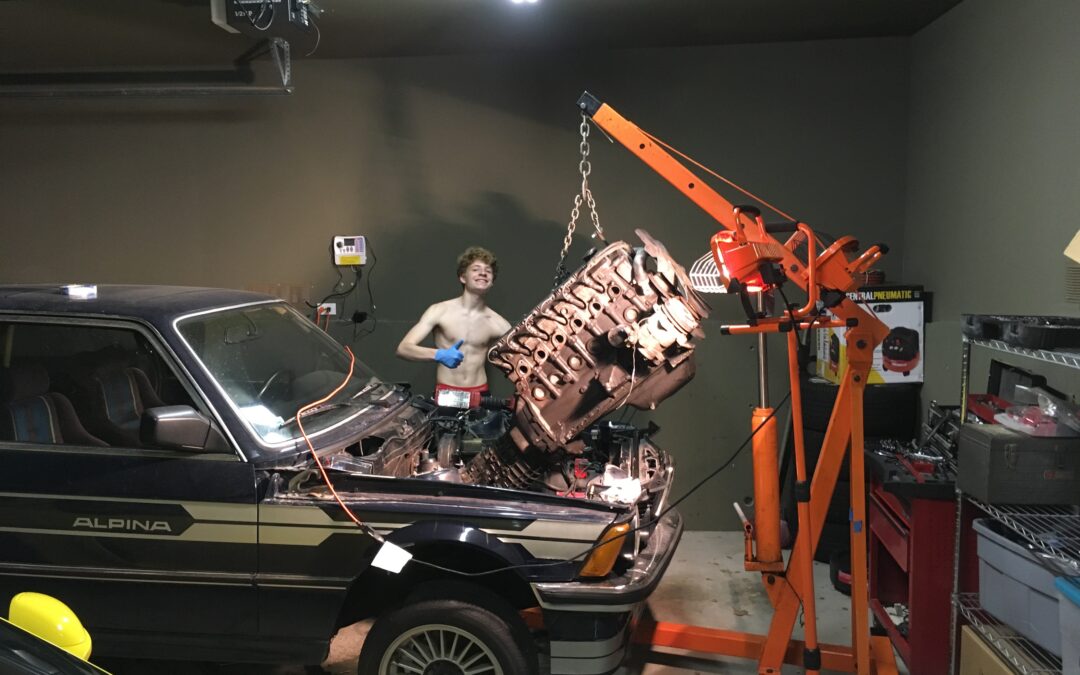
After months of hoping the motor will remove itself, I decided I had to actually get going. Late nights in the garage, disconnecting this or that, finally gave way to actually hooking up the cherry-picker and pulling the motor out. My 16-year-old son helped, much as he did with the Inka 2002 touring, almost ten years earlier.

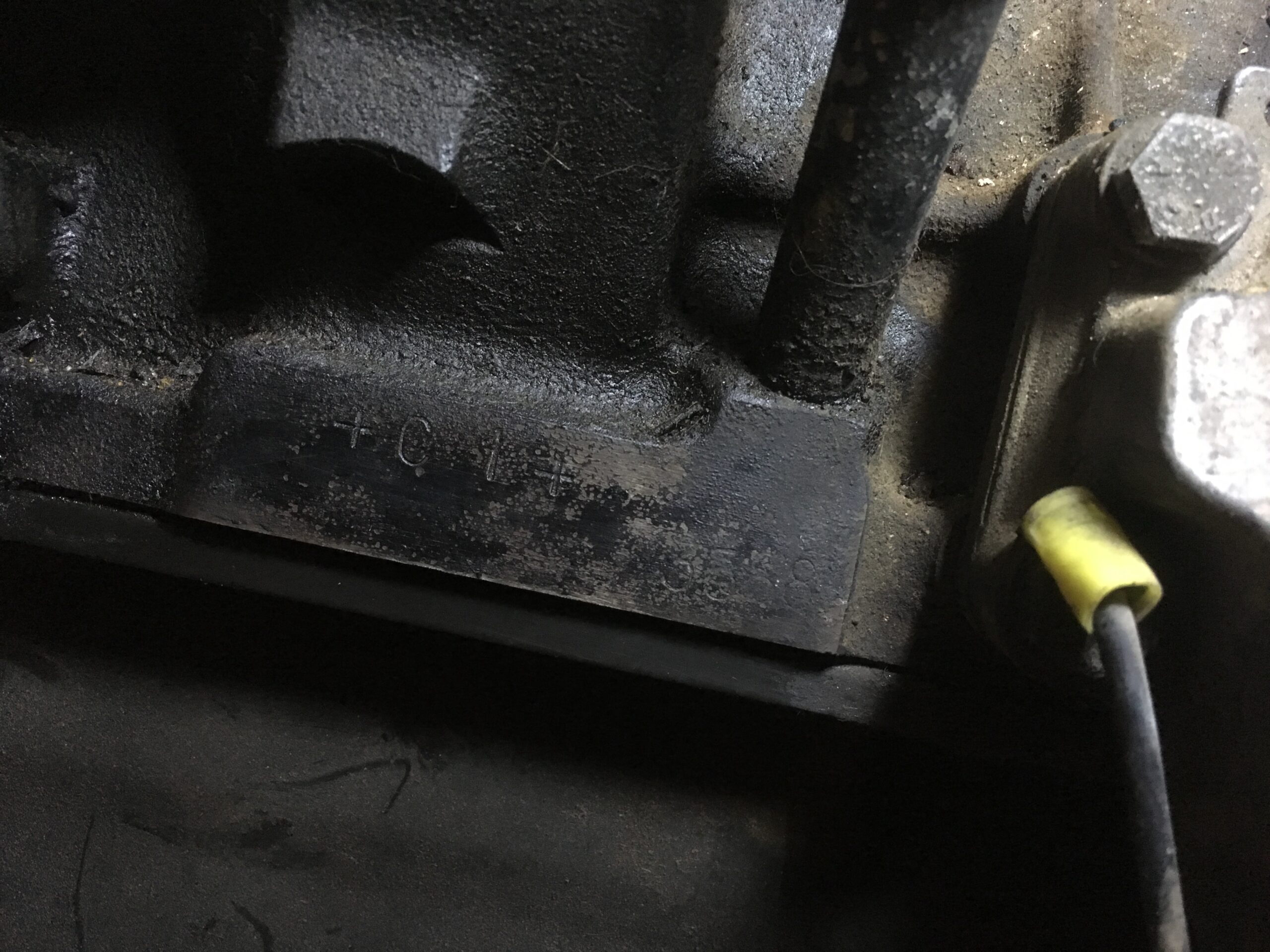
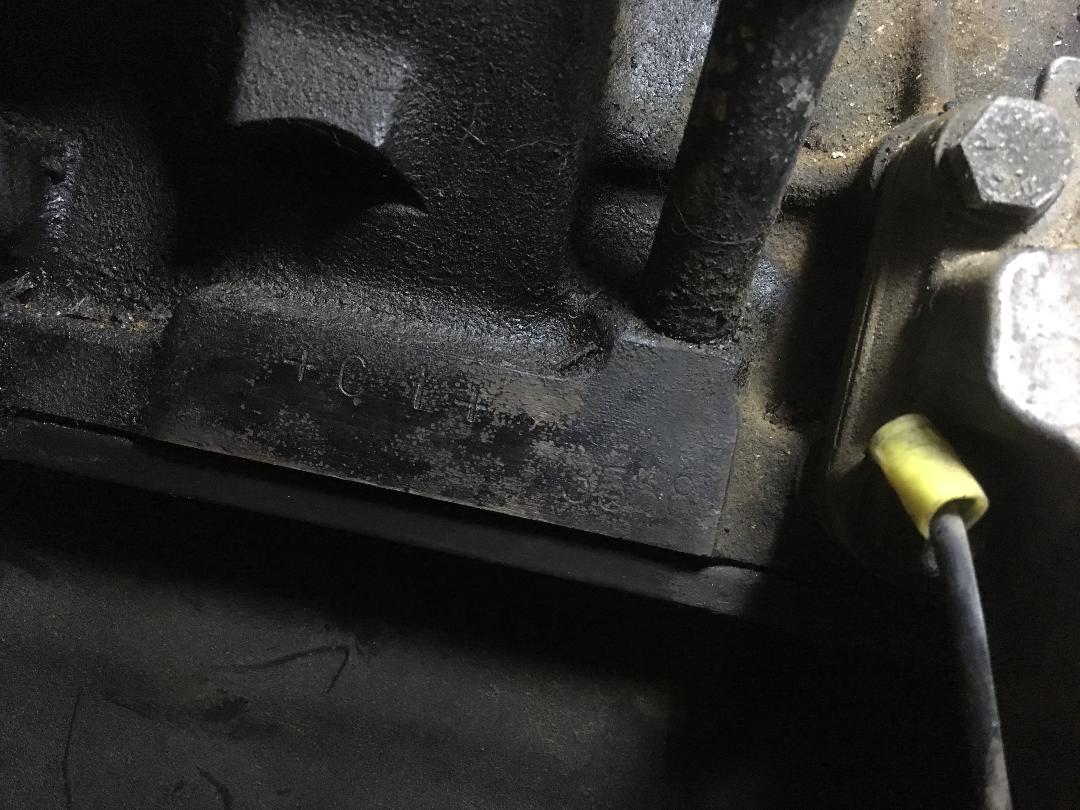
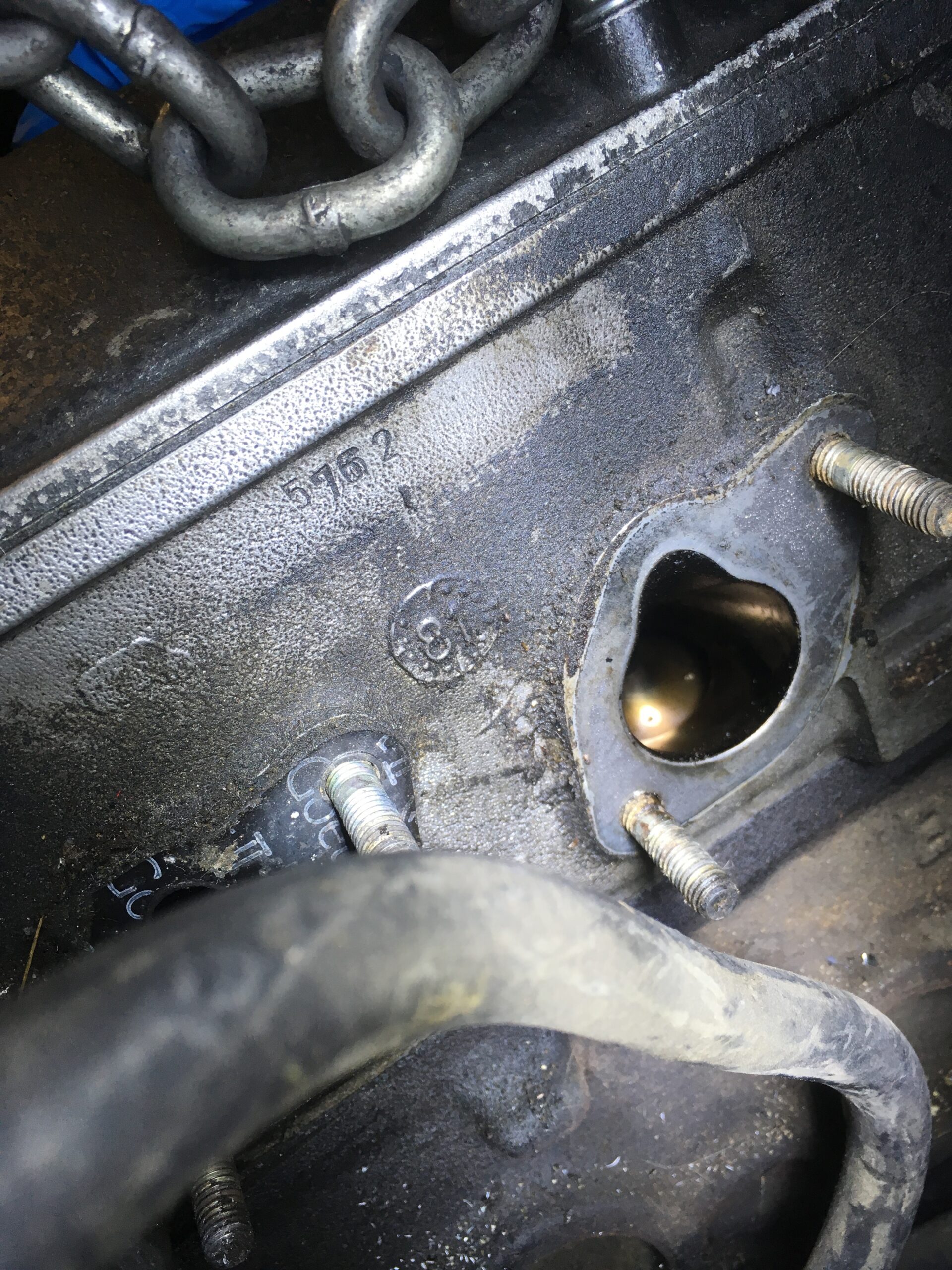
Once the lump was out of the car, I looked all over the block for a serial number – Alpina or otherwise. But I couldn’t find one. Then I asked my friend google where to look, and came upon some stamping below the distributor housing area: “+ C1 +” with a barely legible hand stamped four-digit serial number under it (3568). No one had to tell me this was not a BMW number; I knew who stamped + C1 + on a block and who used those four-digit numbers. The dance around the car, screaming “yes” and “it’s a real Alpina motor, touched by the Hands of God” was so much fun I forgot to check the head. When I finally did, I couldn’t find any numbers, but admittedly had no idea where to look (google wasn’t much help for that).

After a week of wondering if I had a genuine Alpina block but not head, a very helpful fellow C1 owner sent me a picture of the stamping on both head and block (thanks Don!) and I found the Alpina serial number on the head. Confirmed, both head and block are original from Alpina.

So, I have a motor, touched by the Hands of God, sitting in my garage, probably with a blown head gasket. What to do with that? I don’t want to modify the Alpina block or head, so do I undertake a “stock” Alpina rebuild it and put it back? Store it and build a new block into something bigger, better, and more powerful? Decisions, decisions.

What is an Alpina?

What is an Alpina?

October 3, 2017

If you read my first blog entry, Sleuthing the Car (how I found my Alpina), you likely recall the noise about whether the car was “really” an Alpina. That begs the question: What is an Aplina. Its easy to answer for modern cars. After all, Alpina, now, is a bona fide car manufacturer (with their own Vehicle Identification Numbers and VIN plates) and the cars they build are Alpinas. Case closed.

But back before they became a manufacturer in 1983, Alpina was just a BMW tuner, like Dinan is now (and Ruf is for Porsche and AMG was for Mercedes Benz). The parallel to Dinan is striking, as if Dinan modeled heir business after Alpina.. Like Dinan, Alpina back in the day, was the premiere vendor and manufacturer of parts to modify your BMW and builder of BMWs that they modified. And, like Dinan, you could get the modified BMWs directly from Alpina (or Dinan) or you could get a BMW modified by an authorized Alpina (or Dinan) dealer. And, eventually, they were both sanctioned by BMW.

So, a pre-1983 car being presented as an Alpina usually falls into one of three categories: a car that has some random Alpina parts installed on it by God-knows-who (that isn’t really an Alpina), a car built by an authorized Alpina dealer/distributor (which may be an Alpina, depending on your definition), and a car build by Alpina themselves.

A little Alpina background probably helps. They began tuning BMWs in 1962, first by strapping a pair of Weber carburetors on the M10 in a 1500 sedan. In the 60s, they developed motors with Webers, increased-compression pistons, longer-duration camshafts (notably the BMW Motorsport 300* camshaft), and porting, polishing, and combustion chamber machine work on the head. While this unleashed lots of locked-in horsepower, it wasn’t all that innovative. Indeed, it was fairly common work that many talented machinists could accomplish. What made Alpina so special was they were the first to do it regularly and their work was pretty damn good. Then they designed some pretty neat (and very expensive) parts of their own, like the A4 four-throttle injection system for the 2002tii (they also put the A4 engine in the early e21 3-series cars).

Alpina then took a a page out of Carrol Shelby’s book and put in bigger motors. The e21-based B6 2.8 is a perfect example: They took the M30 motor out of the 5-series and plopped it in a the small 3-series two-door sedan; the earlier ones had unique fuel injection, but about half-way through the run, they changed it to stock BMW L-Jet Bosch fuel injection. Alpina, essentially, followed Shelby’s model (bigger motor in smaller car) but used motors from the original manufacturer (BMW). Their other trick was turbocharging the bigger cars that already had the bigger motors, like the 5- and 6-series (the B7).

At first, this work was done in the Alpina factory, but soon authorized dealers popped up in England, Holland, and the United States. Here, we had Miller/Norburn in North Carolina, Hardy & Beck in Berkeley California, and Dietel Enterprises in Mission Viejo, California. These authorized dealers did several things: sold Alpina parts, installed Alpina parts and built Alpina cars, and in some cases imported cars built by Alpina.

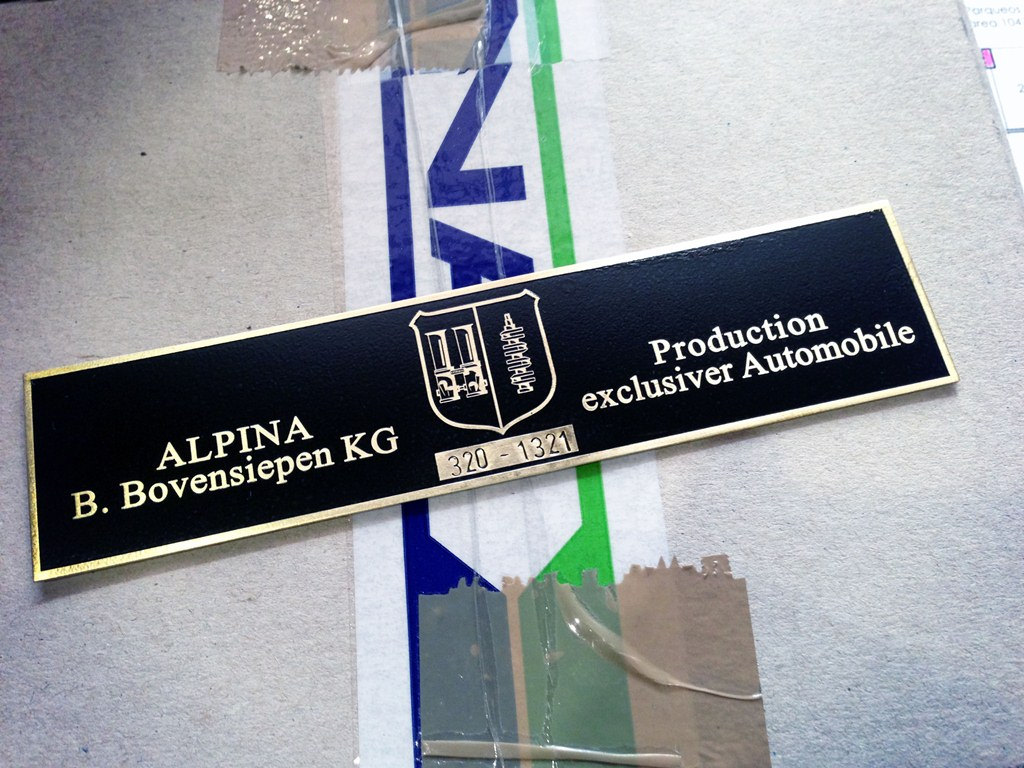
What makes it difficult to know whether a pre-1983 car is “really” an Alpina? Alpina has limited records of the cars they built – for instance, all they could tell me about my C1 2.3 is that it had been brought to them in February of 1982, not what they did to it – or anything else. And from what I’ve heard Alpina has no records whatsoever of the cars built by their authorized dealers. While a car built by Dietel Enterprises might legitimately considered an Alpina, without a record, it is simple a nice car with nice parts and maybe an Alpina dash plaque (which any yahoo could buy off eBay and put on the car).

And many folks did just that – put a bunch of Alpina parts on a car and claimed it to be the real thing. Often, there are few ways to verify authenticity and accepting a car as a “real” Alpina is an act of faith, The guy I bought this C1 from did just that; he was sure it was the real-deal, but he had no solid proof. Having built my 2002 touring with more genuine Alpina parts than many cars that left the Buchloe factory, I am skeptical of any car without documentation is a “real” Alpina.

The Back Story (a couple of A4s)

The Back Story (a couple of A4s)

As a bona fide 2002 nut, I spent too much time dreaming of Alpina-modified 02s, the best being the 2002tii version known as an Alpina A4. In addition to the usual suspension and braking upgrades, Alpina was known for their tweaked motors. The standard 2002 had about 100hp, the tii had 130hp, and the Alpina A4 and A4S had 165-180hp, achieved through a four-throttle injection system, a tweaked kugelfischer pump, a 300* motorsport cam, and high compression pistons

I bought my first A4 injection system in the late 1980s, but never got around to installing it in the 2002tii I had back then. (Ironically, I sold that tii and bought a gray-market 1980 e21 323i.)

In 2002, I bought “Sandy,” a Sahara beige 1973 2002tii with a low mileage Dave Cruise motor and Franz Fechner 5-speed. I installed an Alpina A4 system I had found on eBay.de.

I had fun with that car, but decided I really wanted a 2002 touring. I sold Sandy and bought Inkie, a 1972 Inka touring I imported from Holland.

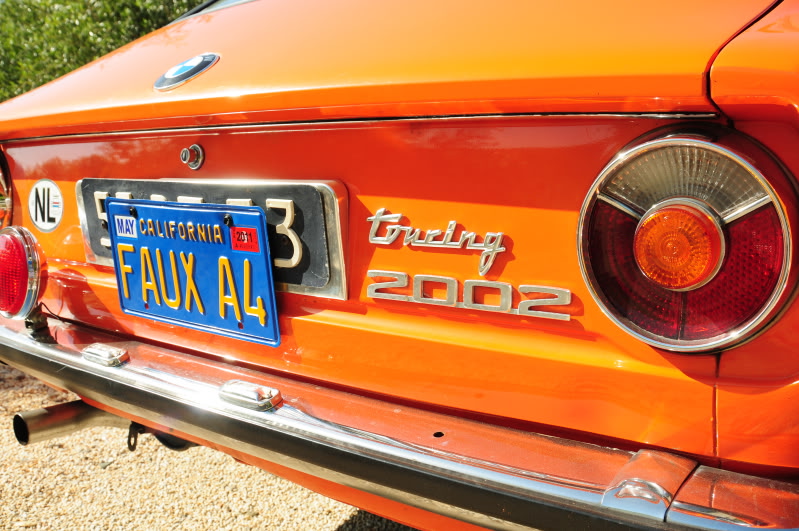
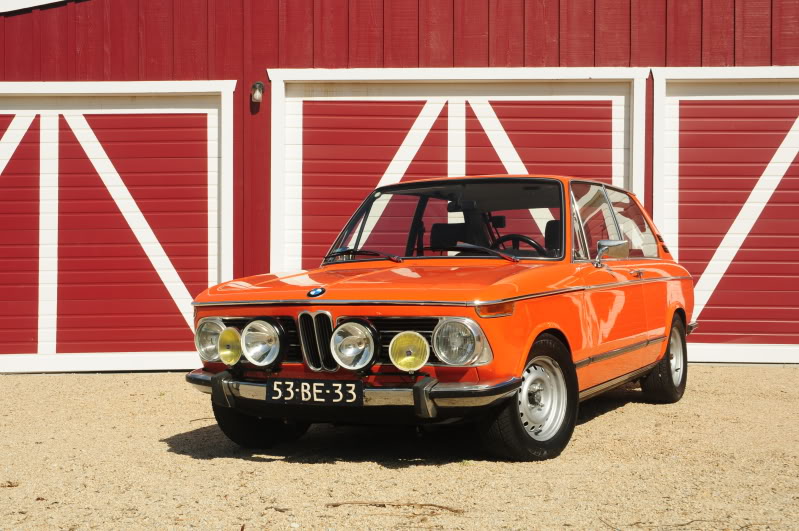
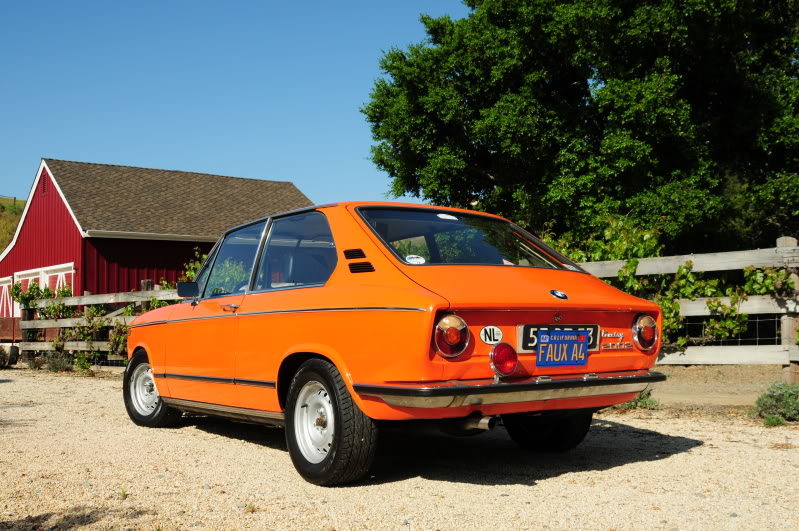
Although that car was in fine condition, I promptly tore it apart and rebuilt it as an Alpina A4, and it sported the personalized California plates “FAUX A4.”

The motor was the highlight of the rebuild. It had an S14 crank (2.2 liters), 304* schrick cam, custom 10.0:1 JE pistons, an aluminum flywheel, connected to a 5-speed close ratio transmission.

The inka touring got some other special parts too. Underneath, the suspension had very rare Alpina “Green Dot” Bilstein struts up front and inverted rear shocks, Alpina adjustable sway bars, and ST springs for great handling and good ride-height.

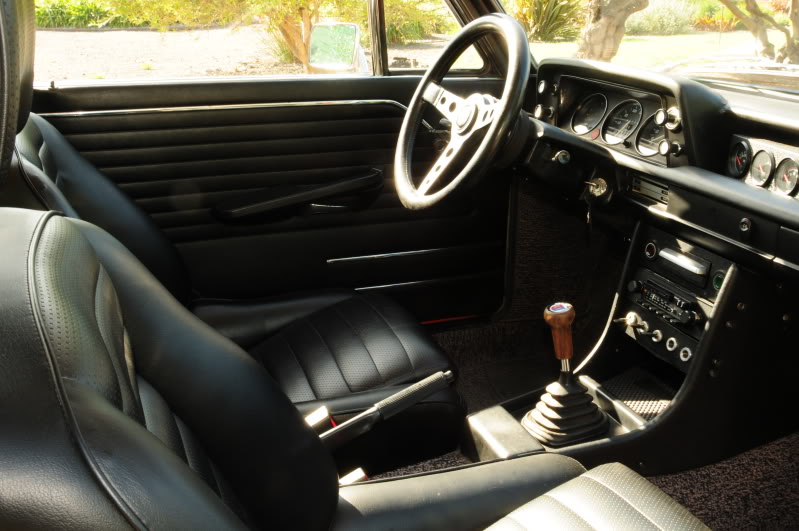
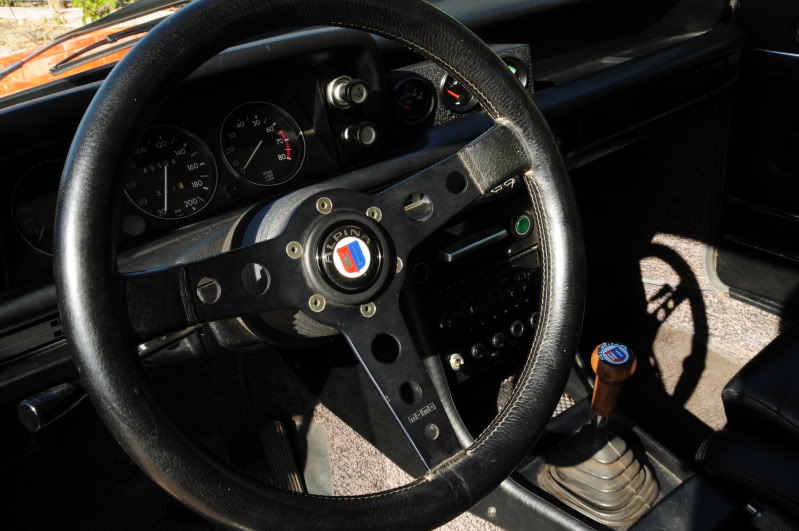
The interior featured reupholstered 2002 turbo seats and a Momo Prototipo, the steering wheel used by Alpina.

That car was my daily-driver until it was replaced by a 911.

The current stable

The current stable

September 23, 2017

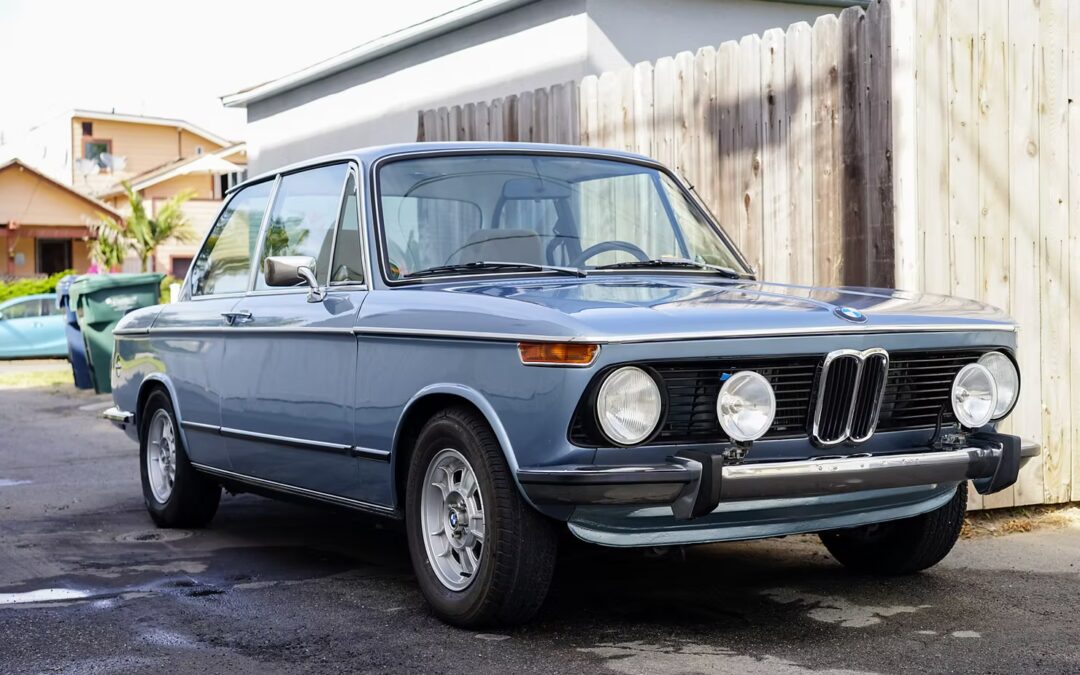
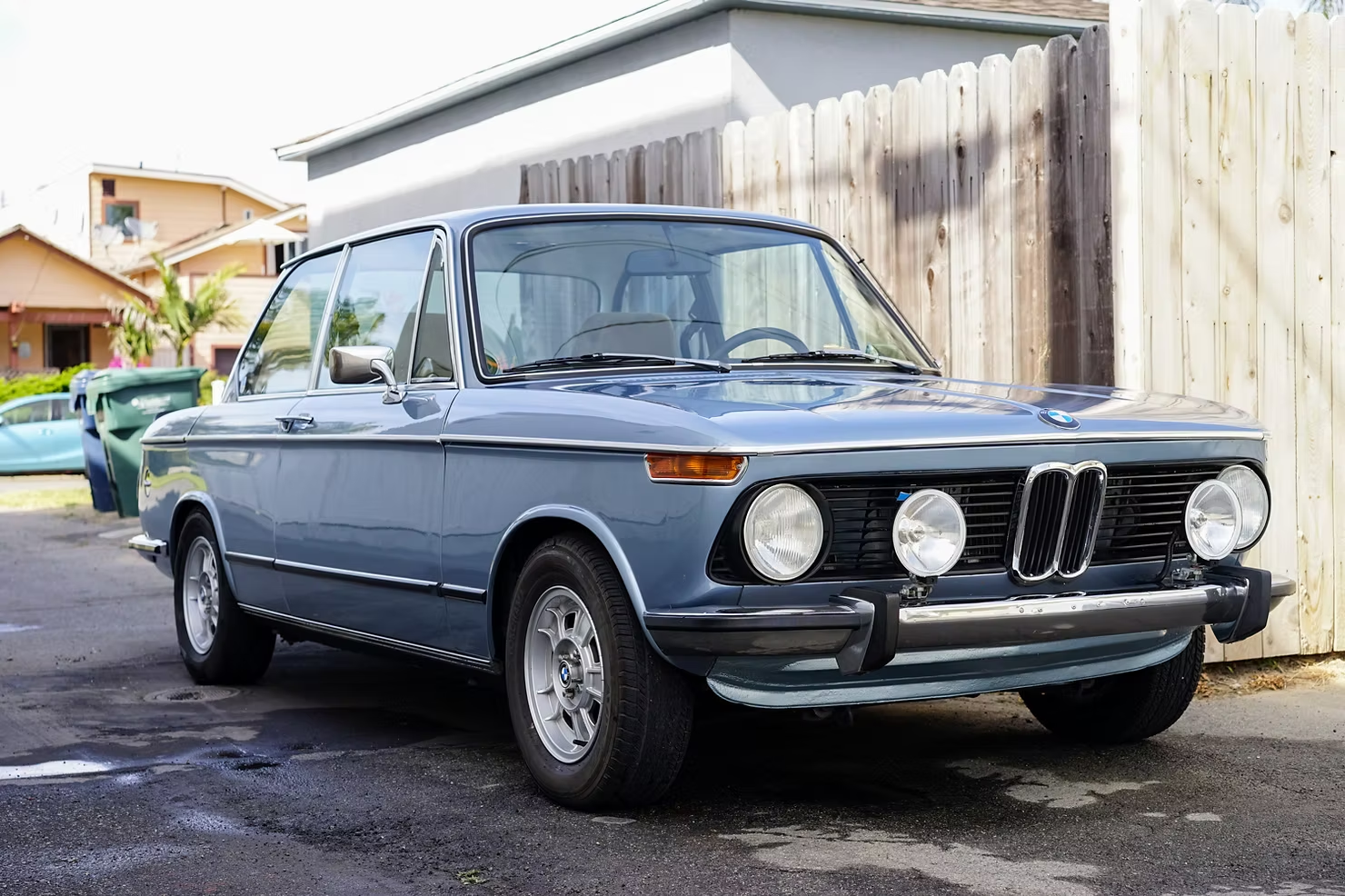
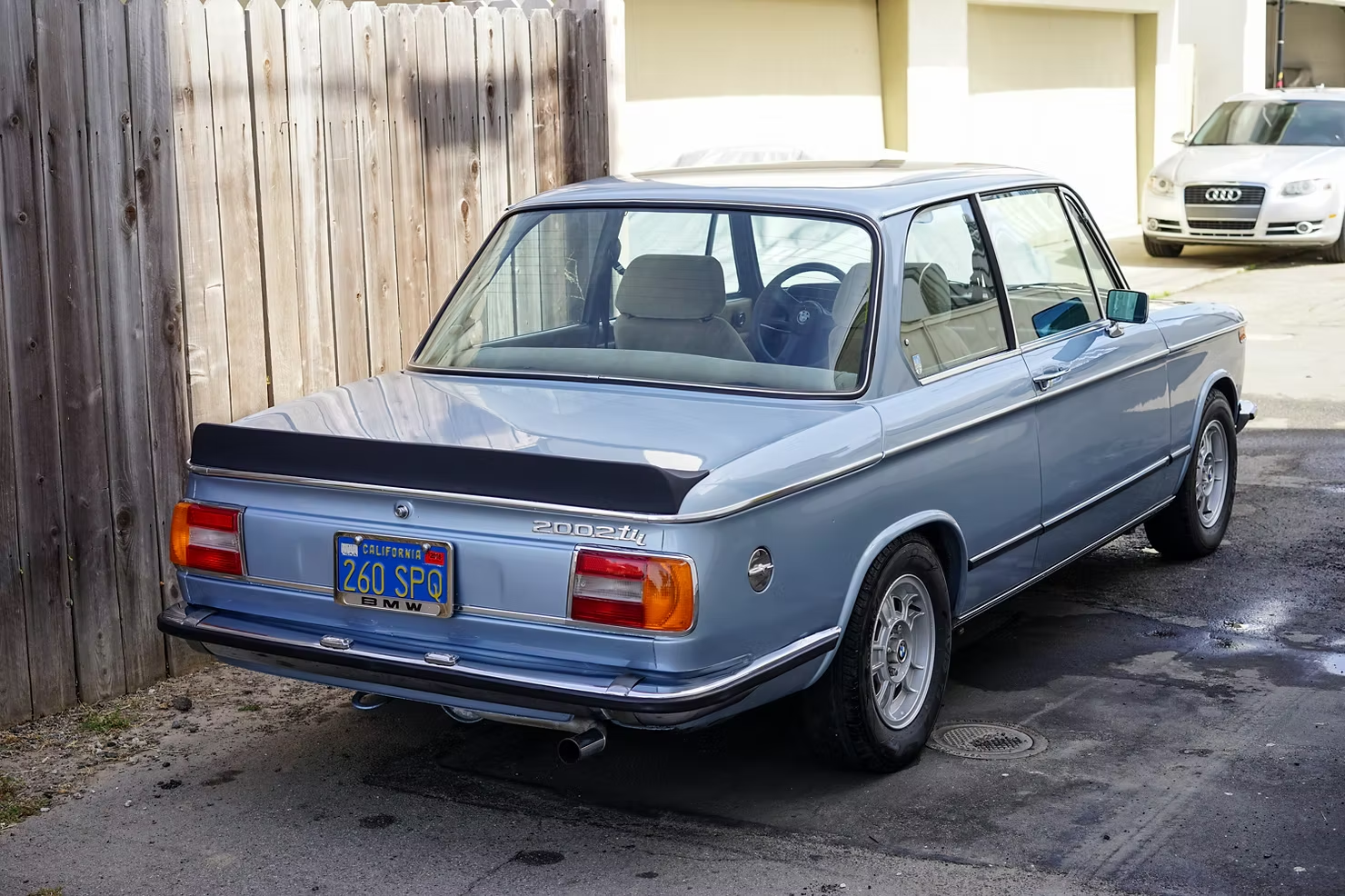
The Alpina has a good friend in the garage with it, a Fjord 1974 2002tii.

It’s my third tii, and my 8th ’02 (Agave 68 1600, badly repainted silver 69 2002, Amazon 74 2002, Pastel 76 2002, Malaga 72 tii, Sahara 73 tii, Inka 73 touring, and the Fjord 74 tii).

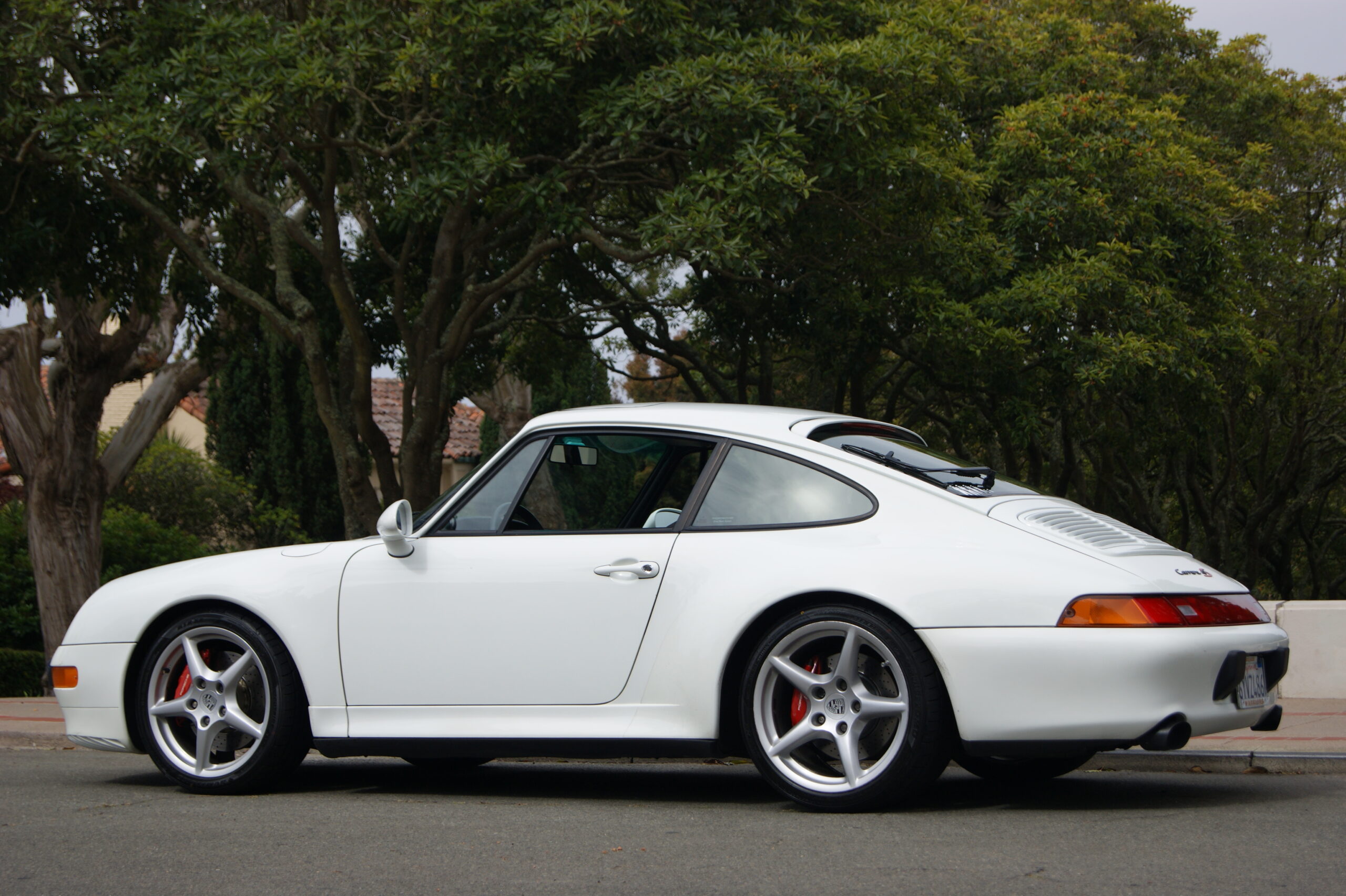
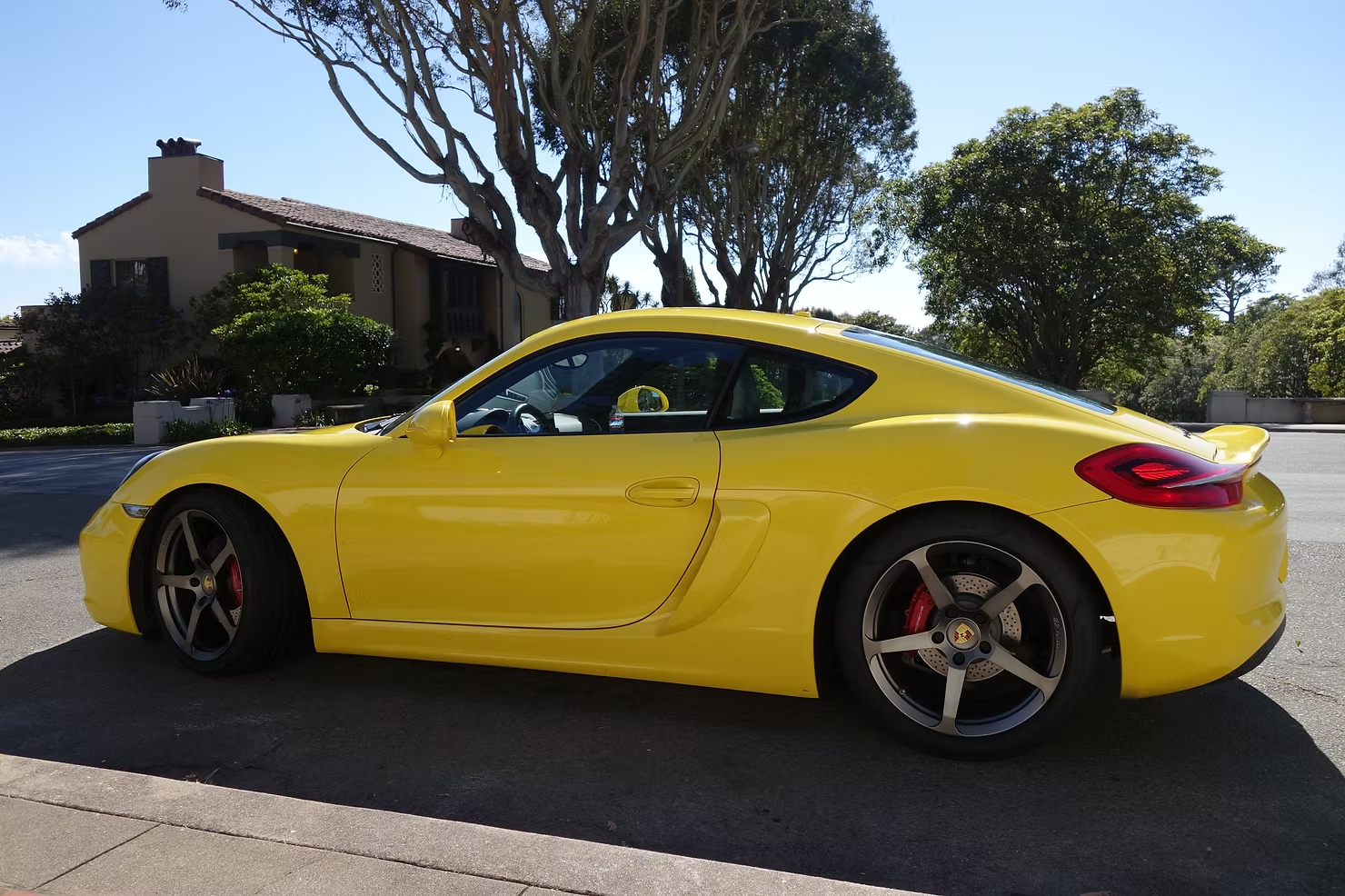
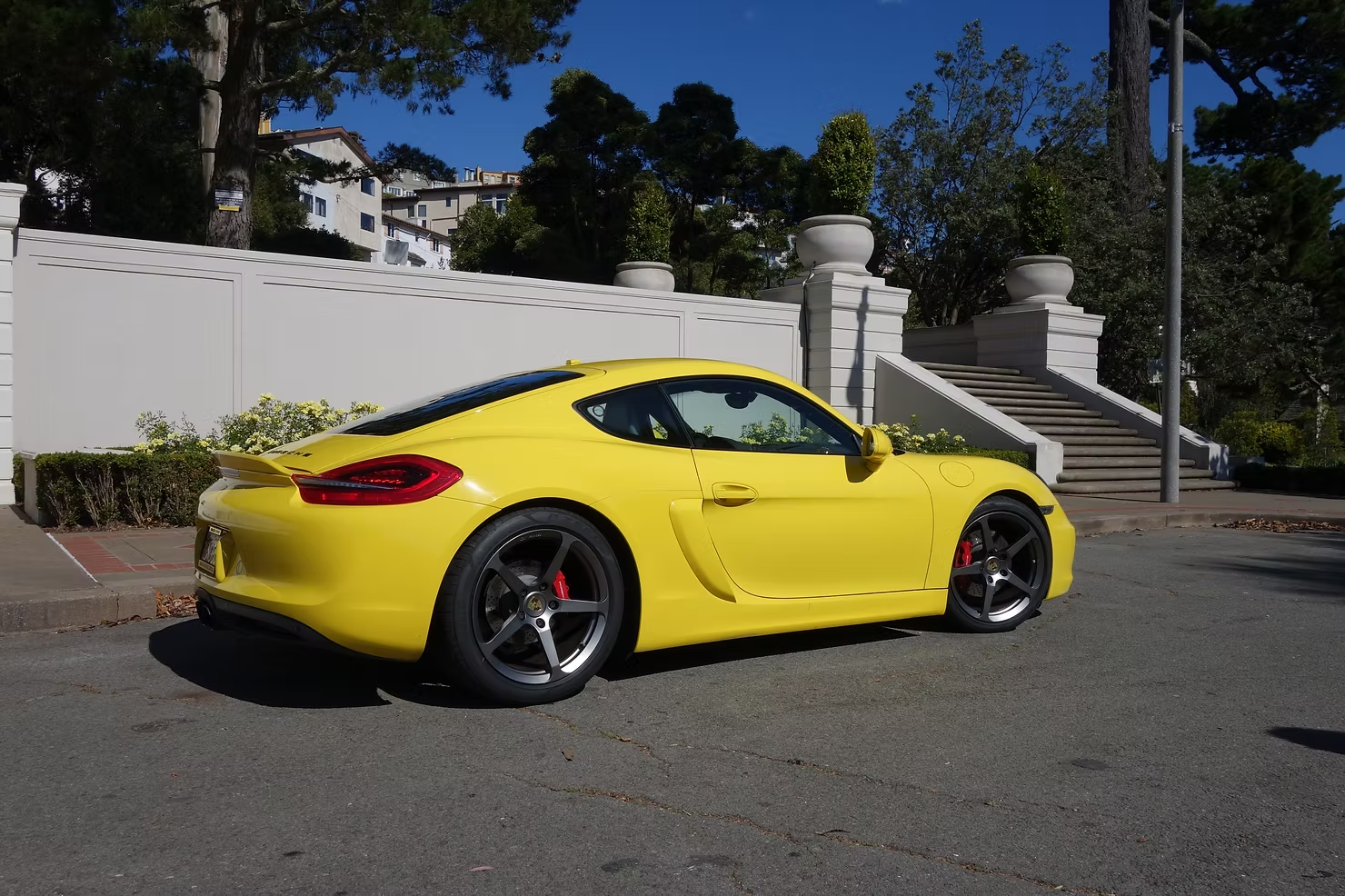
The daily driver is — sacrilege! — a Porsche Cayman S. My first new car, ever (my wife bought a new 2008 328it six-speed, our first new car, and I drove that daily when she got a 318ti). It’s the perfect sports car in my mind and since I no longer drive the kids to school (one in college, one taking the bus to high school), I don’t need a back seat. My son hates to be in the car with me because, as he says, “it’s not an old man’s car. It should be driven by someone young, like me.”

He’s probably right, but I don’t care.