Decisions, decisions
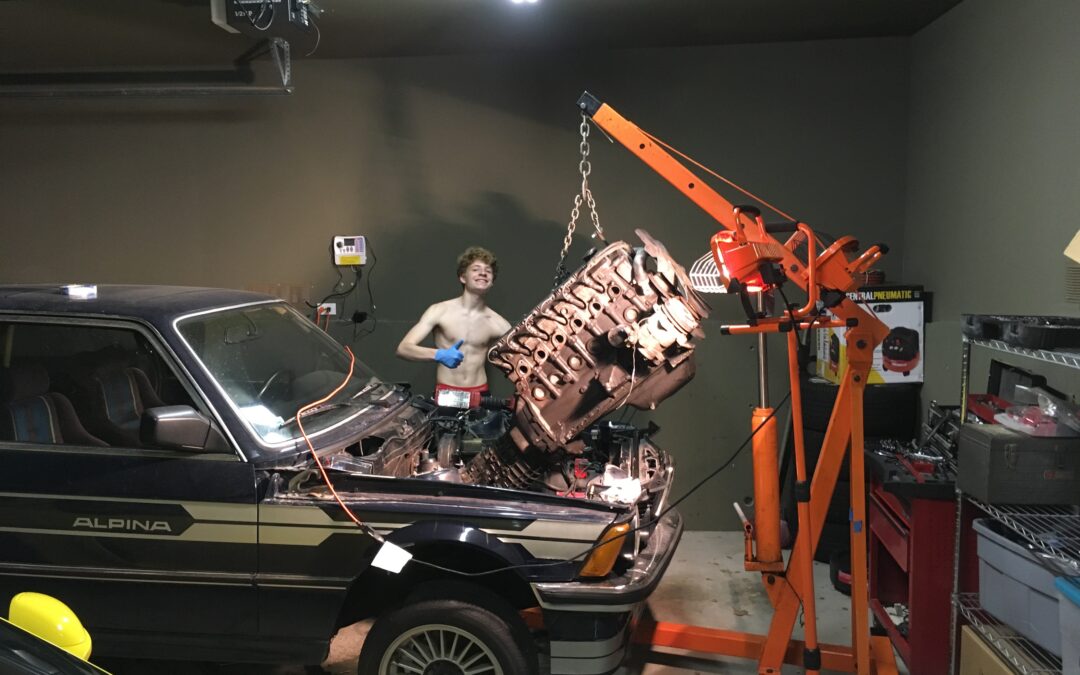
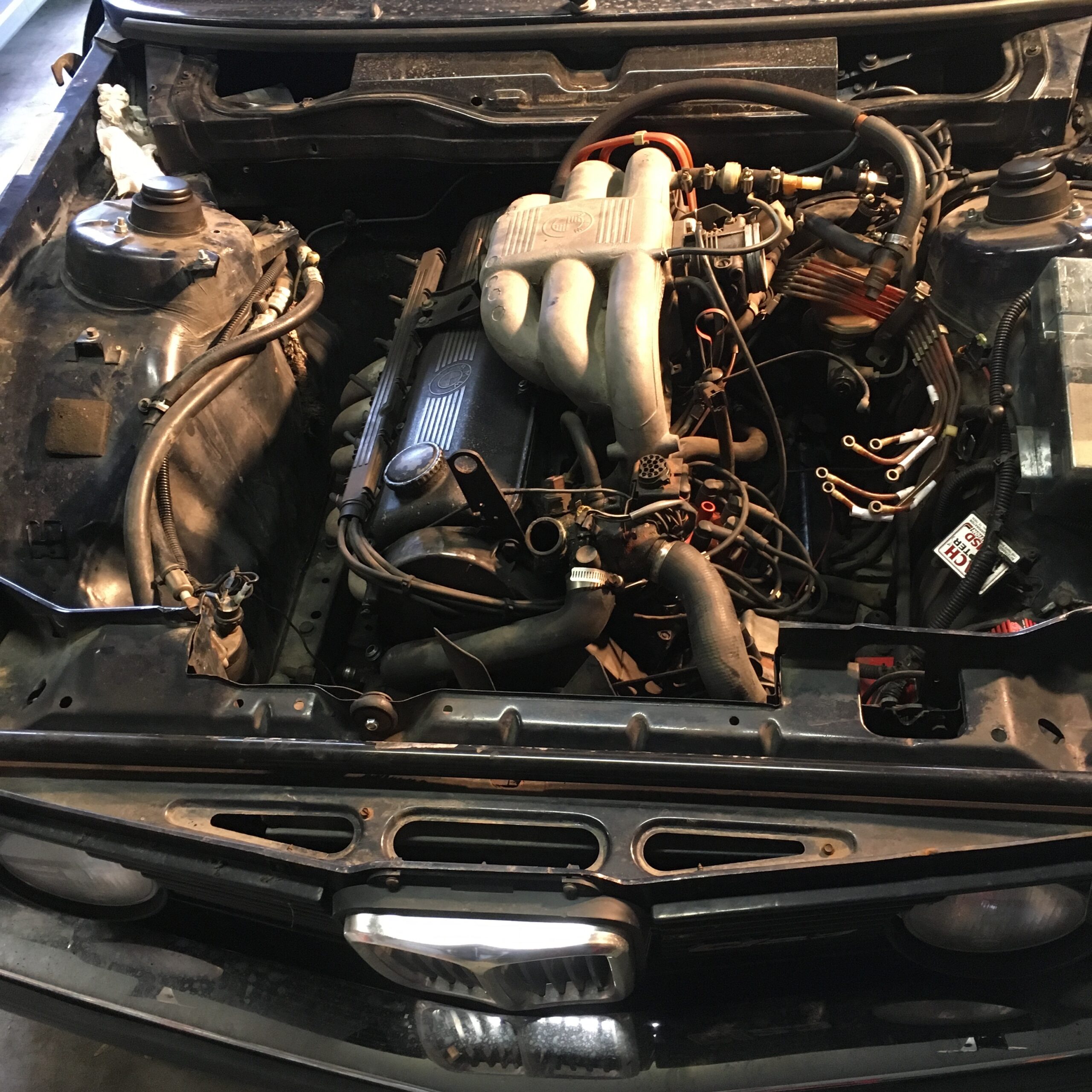
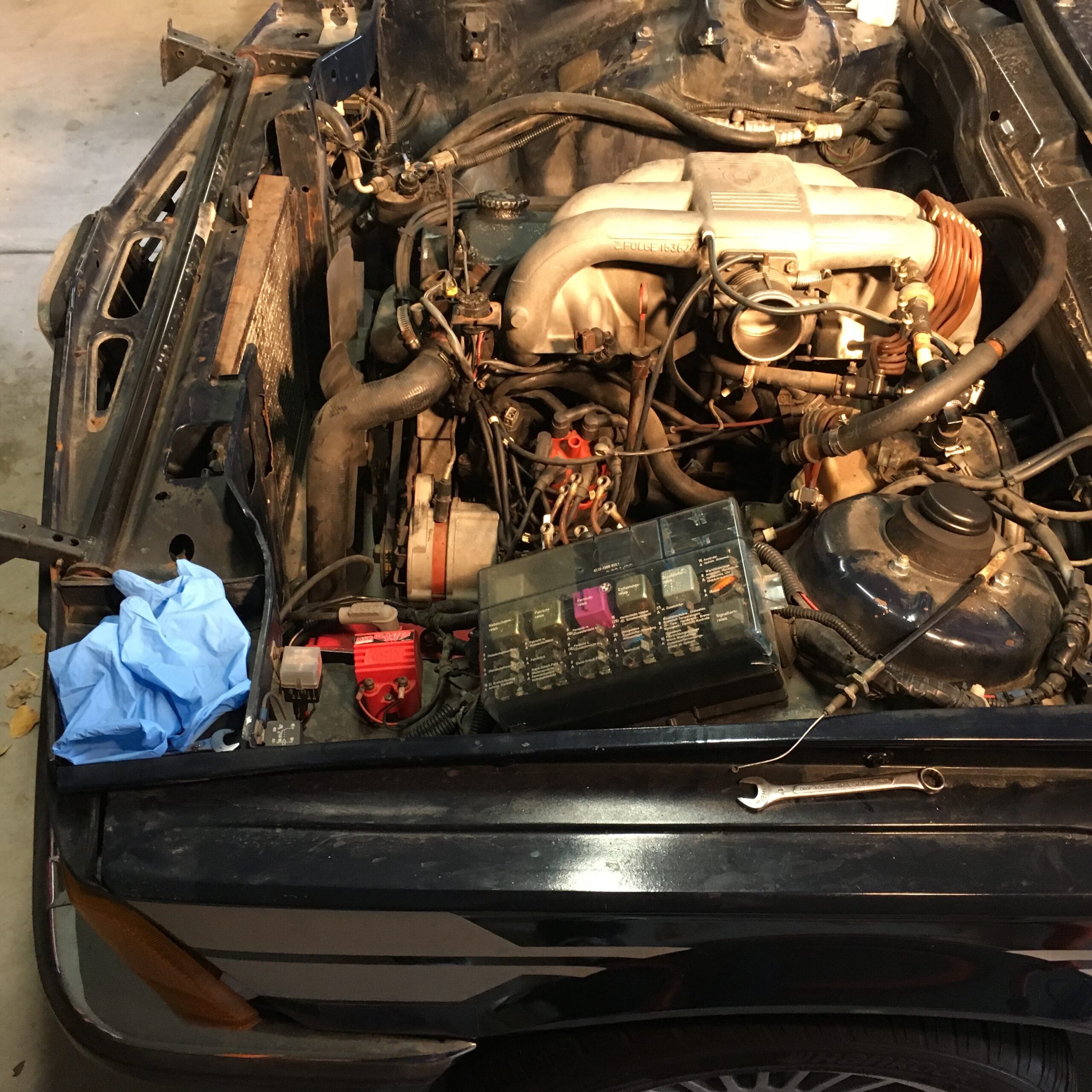
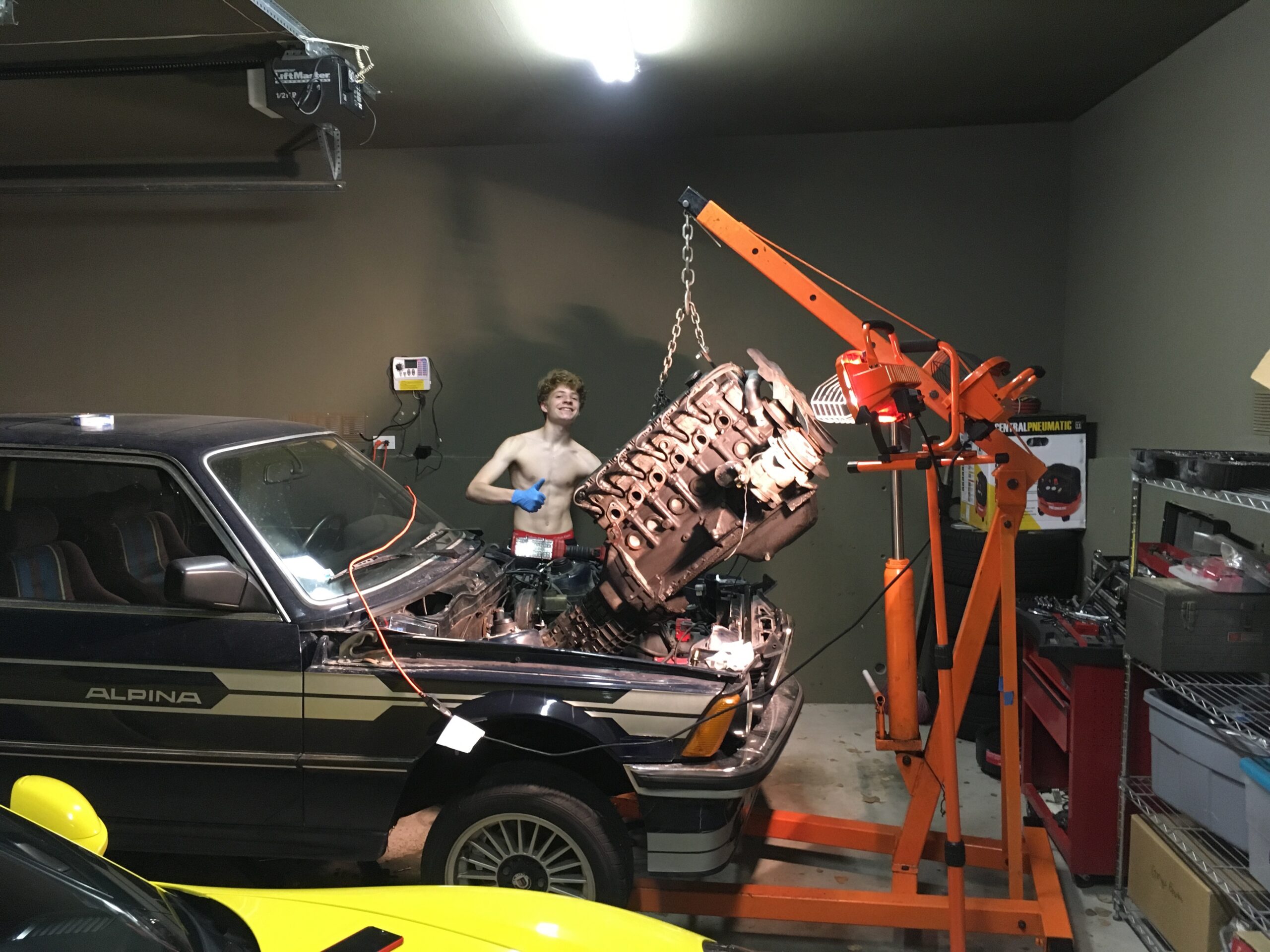
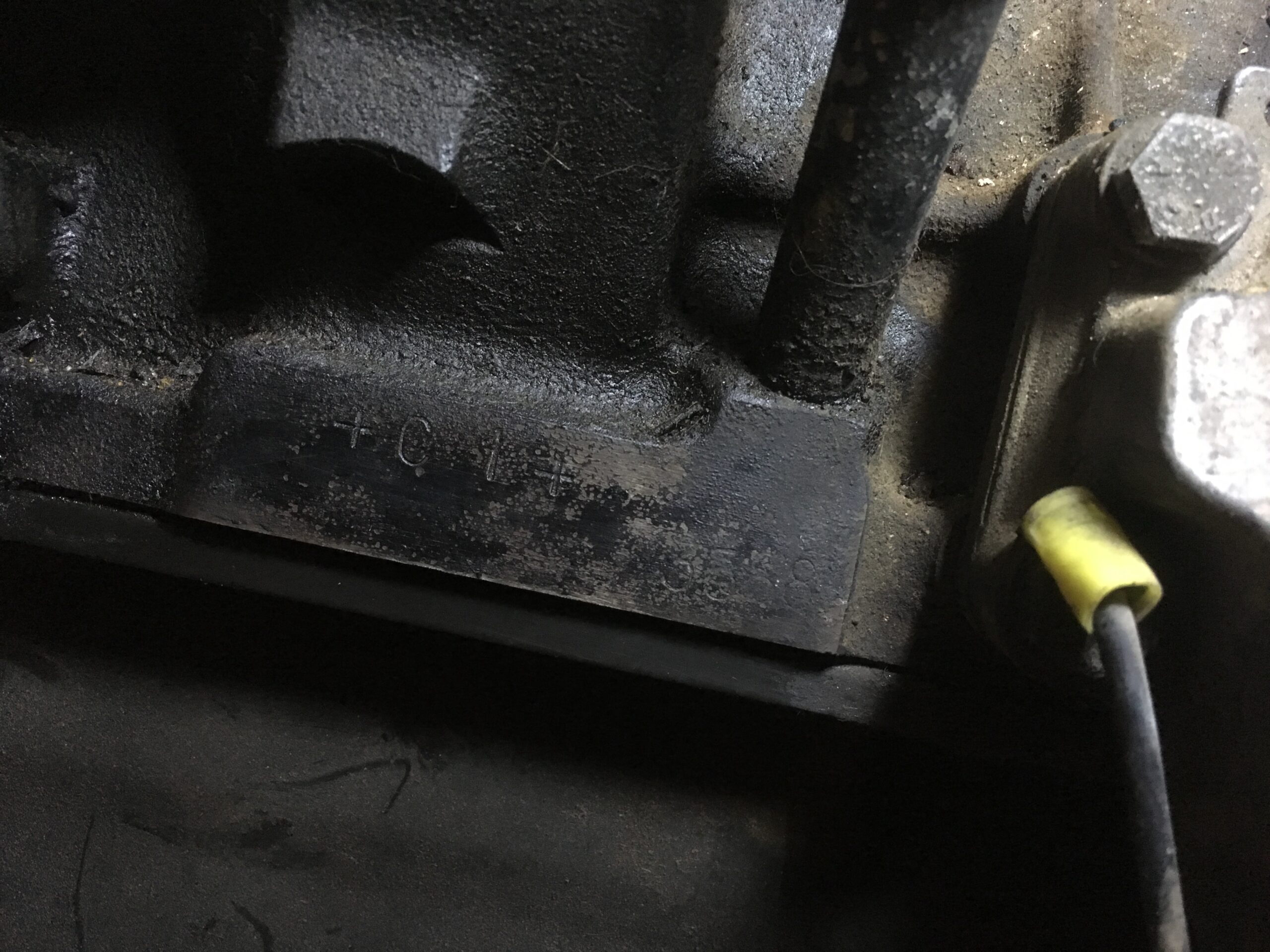
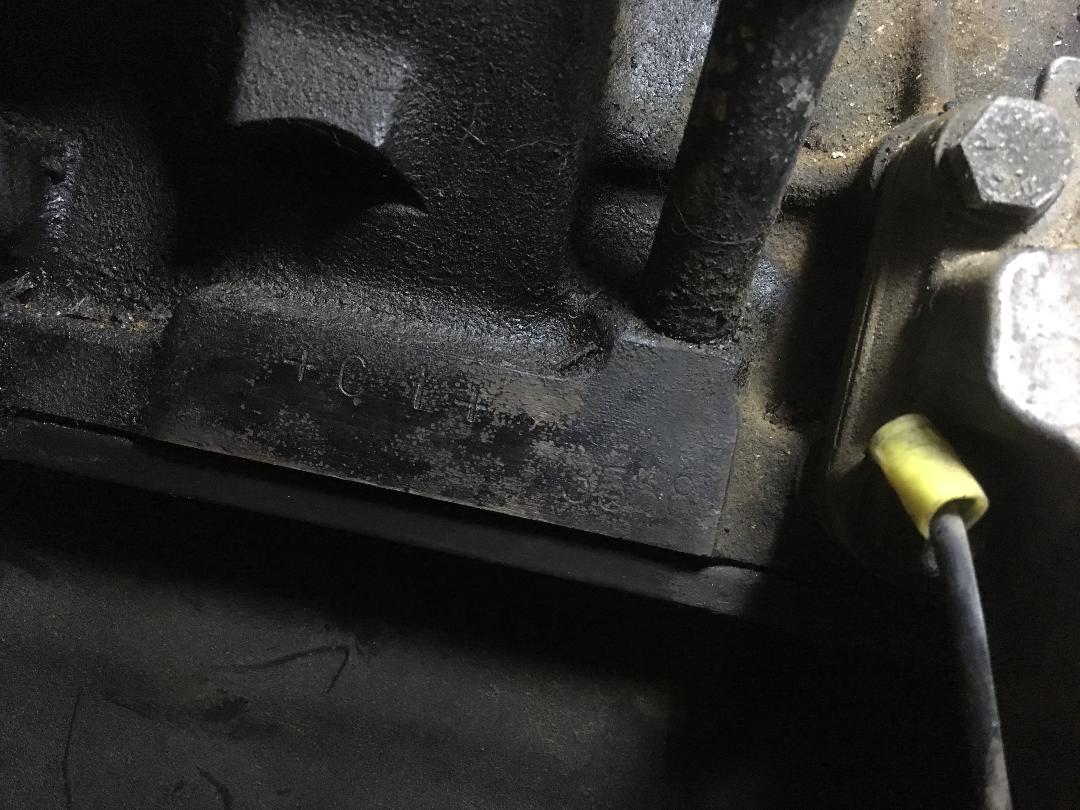
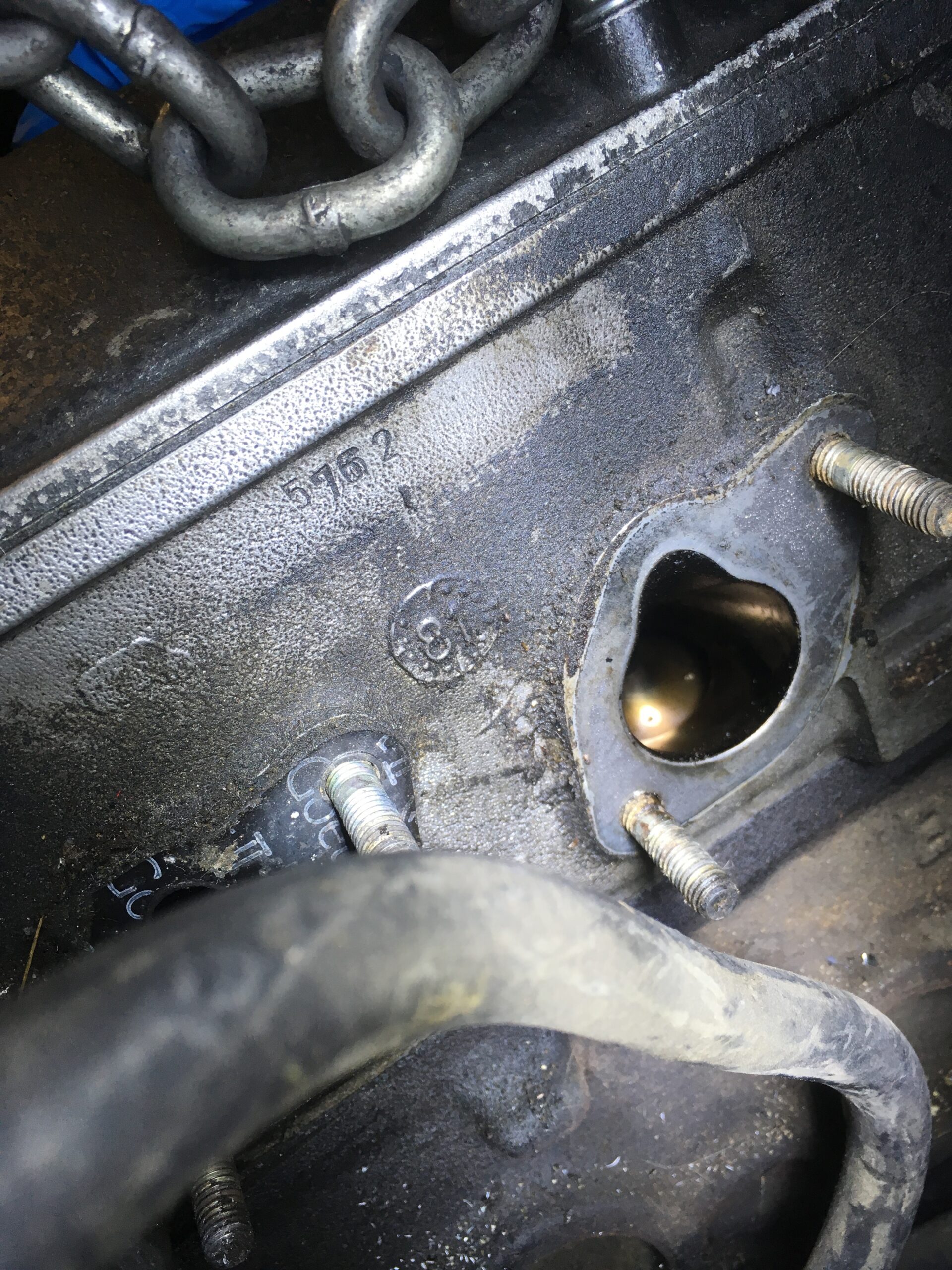
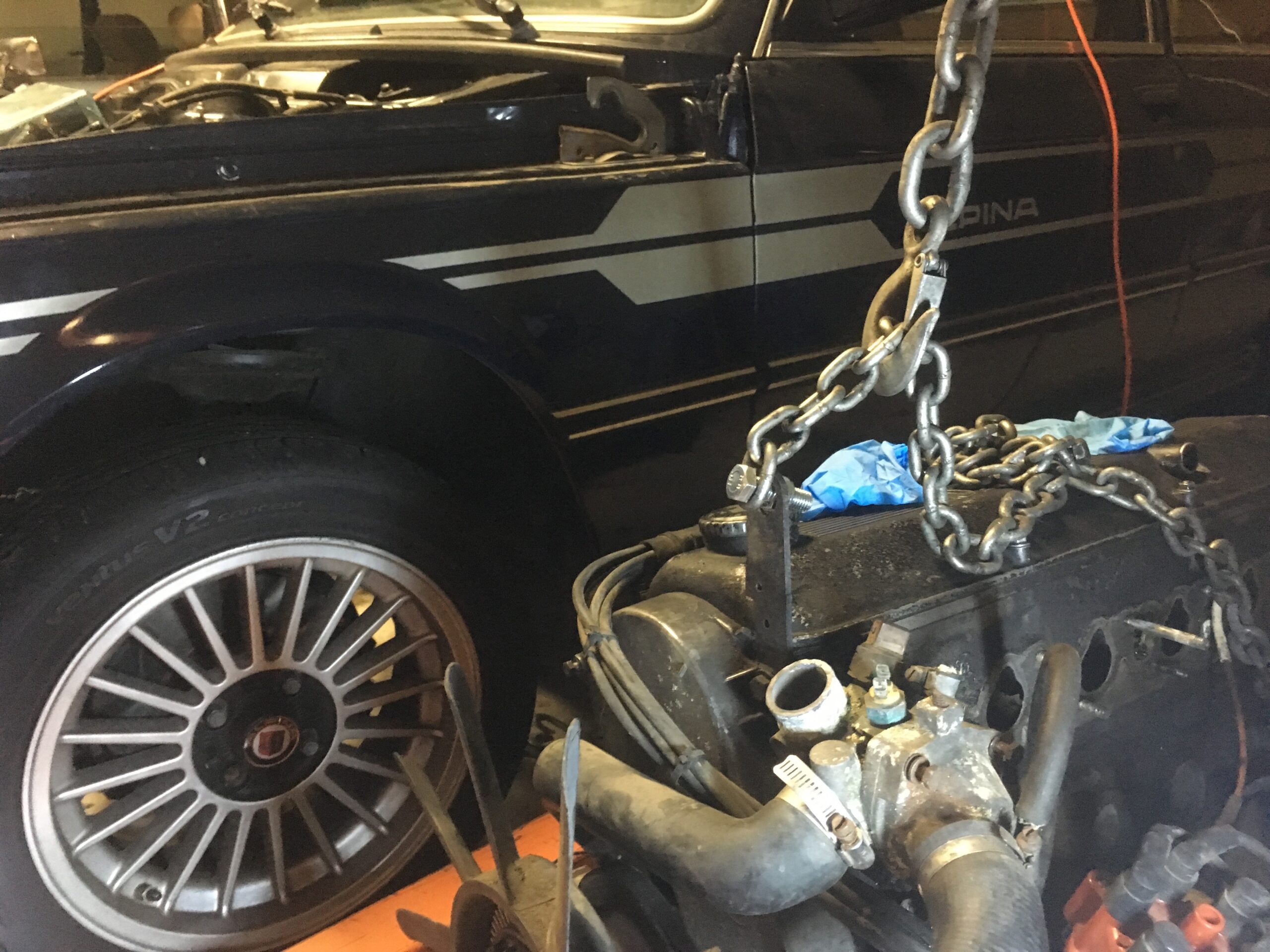
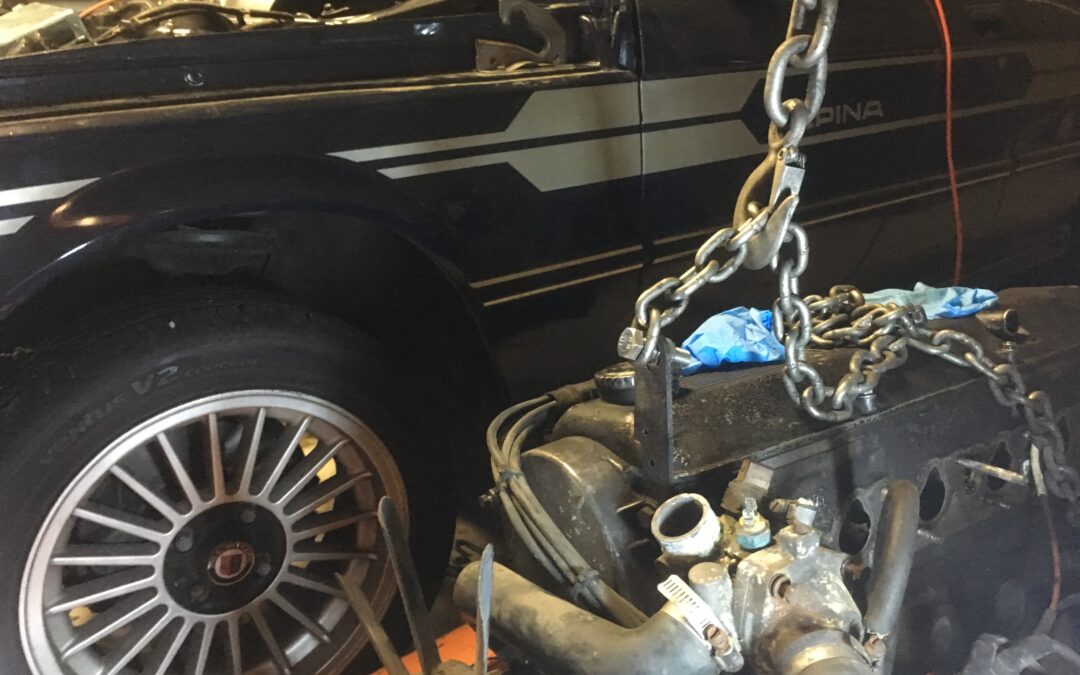
So, I have an authentic Alpina engine, complete with the stamped-in numbers on both head and block. That engine probably has a blown head gasket and maybe a cracked head or some cylinder and piston damage. Of course, I won’t know for sure the extent of any damage until I open it up, but all signs point to the head gasket, as the car was running decently, didn’t smoke, and from what I’ve been told didn’t have oil consumption issues. I could have left the motor in situ and fixed the head gasket, if that turned out to be the problem. But there was a slippery slope to go down and you know I couldn’t resist it: I had to pull the engine; after all the engine compartment was a mess, I wanted to bring the battery back into the engine compartment (it had been moved to the trunk somewhere between Germany and my tutelage). True, it’s not necessary to pull the engine to do those things, but having it out of there made it easier. Plus, the motor needed work and that’s easier out of the body. And the shell can be repainted while the engine compartment is being cleaned-up. Oh, that slippery slope.
Then there’s the biggest reason I couldn’t just leave well-enough alone: Me being me, I want to rebuilt the engine even if it’s just the head gasket – but the real question was to what spec?
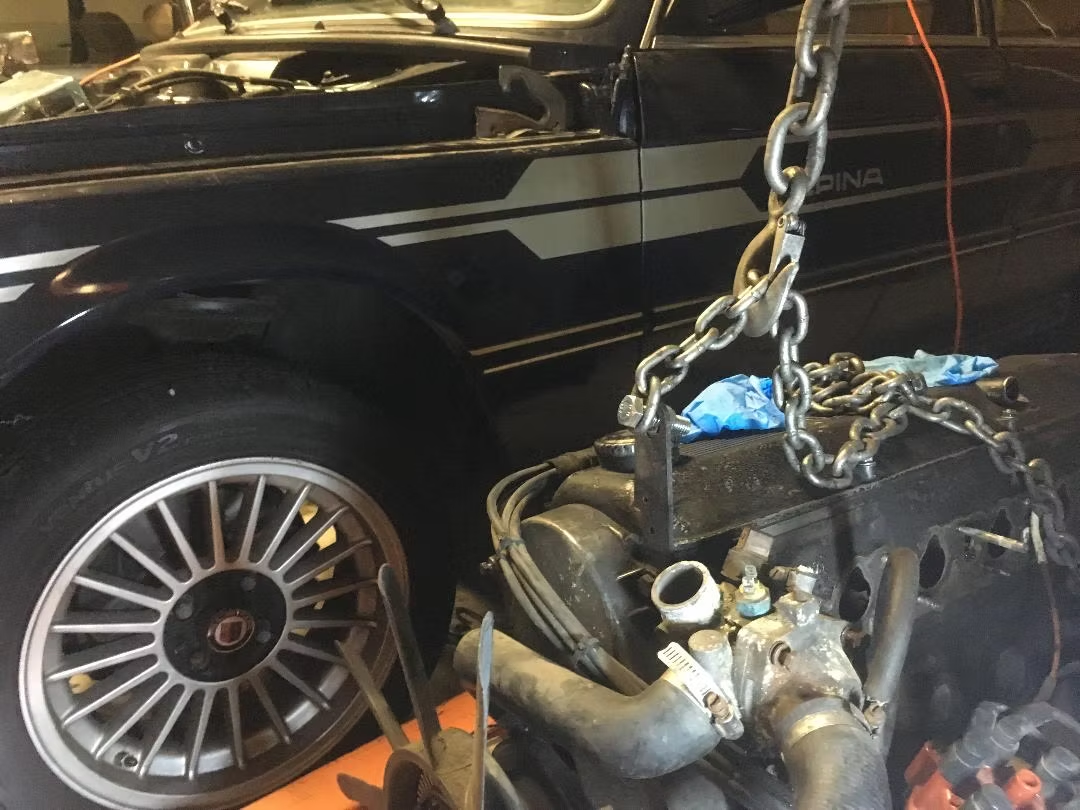
Not a big duh, but the whole point of owning an authentic Alpina is to own, well, an authentic Alpina. So, my plan was to rebuild the Alpina motor to stock specs with as many parts that Alpina used. I mean, a resto-mod of a genuine Alpina is kinda pointless.
Or is it? What if I could build a motor that looks like the Alpina motor that has considerably more power and squirrel the real Alpina motor away for the day that having it stock mattered (whenever that day was). Isn’t this the best of both worlds? The car looks stock, runs a lot stronger and if you ever feel the need to go back to stock, you have the actual Alpina motor. And aren’t I a resto-modder? Haven’t I spent my entire adult life restoring BMWs and improving on their performance?
With that goal in mind, I tried to figure out what you can squeeze more power – torque, specifically, out a motor while retaining the stock Alpina look. It seems Alpina used the stock 323i K-Jet, so first I wondered what I could out of that injection system? K-Jet is a weird system, bridging the gap between purely mechanical fuel injection like came on a 2002tii (and an early 911s) and Motronics, the fully electronic, simple to modify fuel injection. The stock 323i put out 140bhp with the K-Jet and the C1 2.3 got that up to 180bhp with some machine work and a little more cam and compression. (Alpina substituted the stock 264 cam in a 323i with a 268 cam. Stock compression of 9.5:1 was increased to 10.0:1. Both of these seemed somewhat tepid to increases to me.) So Alpina was able to add an addition 40bhp while using an antiquated and somewhat inflexible fuel injection system. To get much more power you ran into the challenge of delivering enough air and fuel through the stock K-Jet.
Trying to figure out if I could reach my goal using the stock injection, I posted on a few boards and got some encouraging responses, but few specifics. Given the vague responses, I was suspect of the claims to have developed 200bhp with stock K-Jet (that was, after all, almost a 50% increase over factory without changing the injection), especially since some were saying things like “I run nitrous and get ….” Or “with a water injection….” I mean, I was trying to have it look stock and neither nitrous or water injection are stock. I figured this was the challenge I faced trying to work within the limits of the K-Jet and it being a gray-market 323i in the USA – the rarity of the car made it so there were few who developed motors with inferior injection too far past stock. I spoke to a friend who owns a shop and he suggested I build it stock because getting enough air through the stock parts was going to limit whatever I did. He made the very valid point that “you already have a really fast Porsche and you’re not going to be able to build this to perform better – and that’s not the point of the car. Being an Alpina is. Leave well-enough alone and enjoy it for what it is.” Of course, he was right.
But then I got an email from another C1 2.3 owner who saw one of my posts asking about building a performance motor with stock parts. He built a 2.8 liter motor but not with stock parts – but they were stock looking. He took a M20B25 block (from an e30 325i) and head and Porsche K-Jet parts that would flow the necessary air and fuel for the bigger motor and put his stock motor aside to save it for the day that having it stock mattered (whenever that day was). A couple of emails back-and-forth and I had enough specifics to make my decision and dive in to the next step of the project, building the motor. After all, if he did it, what could possibly go wrong with me trying to do the same? Well, we’re about to find out!